
What to Know Before Buying a Lot for a Custom Home in San Diego
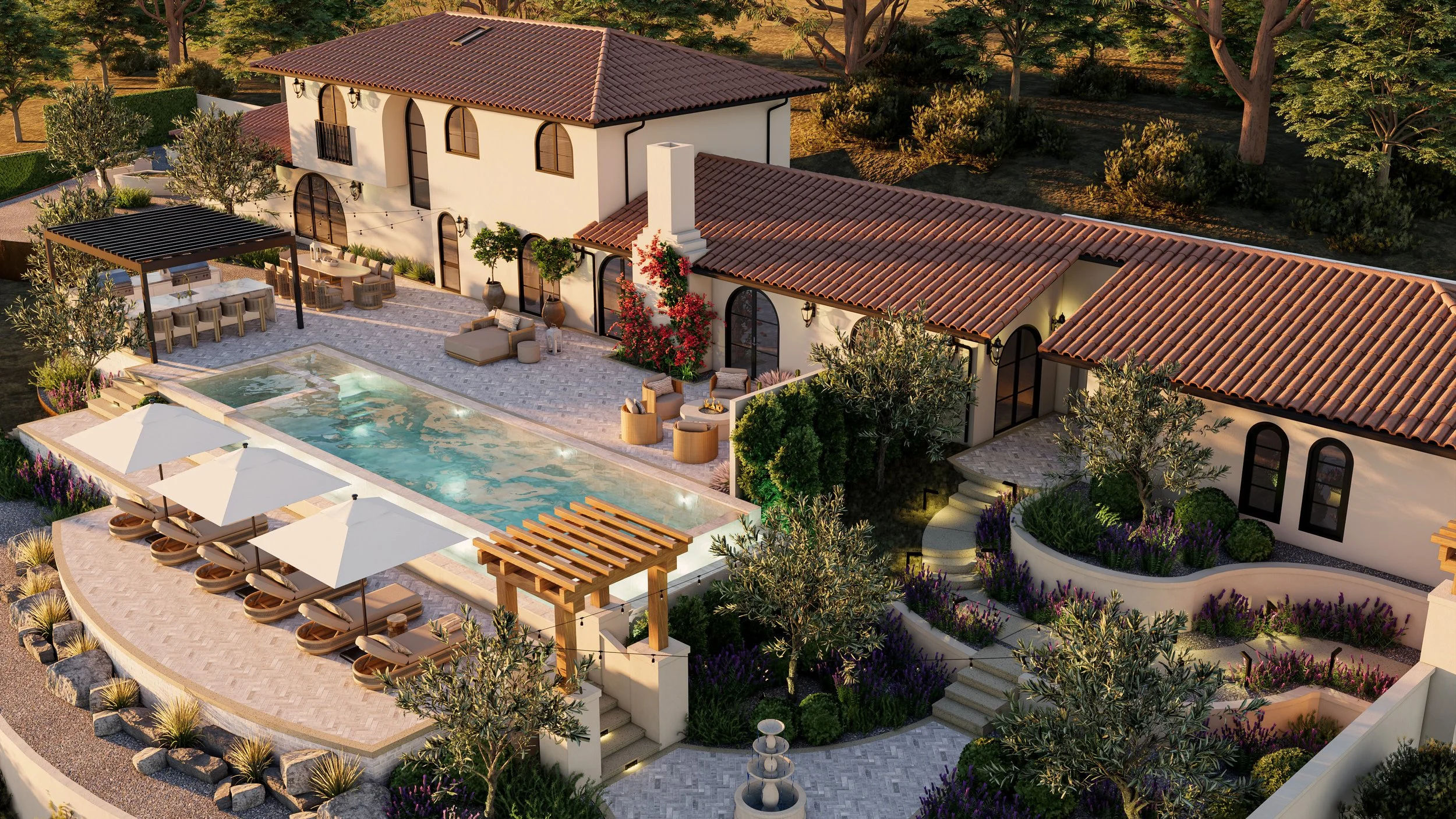
Buying a lot for a custom home is very different from buying a finished house. The location may be perfect, the views may be incredible, and the property may appear to have plenty of potential, but what you can actually build depends on the site, local regulations, and existing conditions.
Before purchasing land in San Diego, a thorough feasibility review can help determine whether the property can realistically support the home you have in mind.
Start With What You Can Actually Build
A property's size does not tell the whole story. Setbacks, height limits, Floor Area Ratio (FAR), lot coverage, and other zoning requirements can determine how much of the site can be developed.
For example, a large lot may still have a relatively small buildable area if significant setbacks are required. Understanding these restrictions before closing on the property can help you determine whether your desired floor plan, number of stories, or indoor-outdoor spaces are actually feasible.
Pay Attention to the Site Conditions
The physical characteristics of the lot can have a major impact on construction. Sloped sites, irregularly shaped lots, canyons, mature trees, drainage issues, and poor soil conditions can all introduce additional design and engineering requirements.
A hillside property may offer spectacular views, but it could also require retaining walls, specialized foundations, or more extensive grading. These conditions are much easier to address when they are identified before the purchase rather than after design is underway.
Location Can Affect More Than Land Value
Where a lot is located within San Diego can influence the design process as well as its market value. Coastal properties in communities such as Encinitas, Del Mar, or Solana Beach may have additional planning considerations, while properties in areas with specific environmental or neighborhood regulations may require additional review.
A beautiful lot is only a good investment if its location and regulations support the type of home you want to build.
Investigate Utilities and Existing Infrastructure
Before purchasing land, find out how the property will connect to essential utilities such as water, sewer, electricity, and gas. An undeveloped lot may require new connections or infrastructure improvements, while an existing property may already have usable utility services.
Access is another important consideration. Narrow streets, steep driveways, limited construction access, or difficult staging areas can affect how materials and equipment reach the site and may influence construction logistics.
Understand the Permitting Process
Permitting requirements can vary significantly depending on the property's jurisdiction and characteristics. A standard lot may have a relatively straightforward path, while coastal properties, hillside sites, or lots with environmental considerations can require additional studies and approvals.
Understanding the likely permitting process before purchasing can help you build a more realistic timeline and budget.
Want to learn more about the permitting process? Check out our dedicated guide: How Long Does It Take to Get Building Permits in North County San Diego?
Look Beyond the Purchase Price
The price of the land is only one part of the investment. Surveying, geotechnical work, architectural and engineering services, permitting, grading, utility connections, site improvements, and construction all contribute to the eventual cost of developing the property.
A lot that appears inexpensive may become considerably more expensive once site-specific requirements are understood. Conversely, a more expensive lot with favorable conditions may ultimately provide better value if it allows for a simpler and more efficient build.
Do a Feasibility Study Before You Commit
The best time to discover a problem with a lot is before you own it.
A preliminary feasibility study can help evaluate zoning, setbacks, buildable area, site conditions, access, utilities, and other factors that influence what can realistically be built. It can also help you understand whether the property supports your architectural goals before making a significant financial commitment.
The right lot for a custom home is not necessarily the biggest, cheapest, or most visually impressive one. It is the property that works with your goals, budget, and architectural vision.
Taking the time to understand what you can build before purchasing land can prevent expensive surprises and give you a much clearer starting point for the design process.
Thinking about buying a lot for a custom home in San Diego? Evaluating the property from both an architectural and construction perspective can help you make a more informed investment and start the project with a realistic plan.
Frequently Asked Questions
How do I know if a lot is suitable for building a custom home in San Diego?
A lot’s suitability depends on factors such as zoning, setbacks, lot coverage, FAR, height restrictions, topography, soil conditions, access, utilities, and permitting requirements. A preliminary feasibility review can help determine whether the property can realistically support the size and type of home you want to build.
What should I check before buying a lot for a custom home?
Before purchasing a lot, investigate zoning and development restrictions, setbacks, buildable area, site conditions, grading requirements, utilities, site access, environmental constraints, and the likely permitting process. Understanding these factors early can help prevent unexpected costs and design limitations.
How much does a feasibility study for a lot cost in San Diego?
The cost of a feasibility study varies depending on the property and how extensive the investigation needs to be. A simple review of zoning and site constraints may be relatively straightforward, while hillside, coastal, or environmentally sensitive properties may require additional surveying, geotechnical, engineering, or planning work.
Can I build any size house I want on my lot?
No. The size of a home is typically limited by factors such as zoning, setbacks, FAR, lot coverage, height restrictions, and the physical characteristics of the property. A large lot does not necessarily mean you can build a large home.
Are coastal lots in San Diego more difficult to build on?
They can be. Properties in coastal communities such as Encinitas, Del Mar, and Solana Beach may be subject to additional planning and coastal regulations. Depending on the property, additional reviews, permits, studies, or approvals may be required.
Does a sloped lot cost more to build on?
Often, yes. Sloped lots can require additional grading, retaining walls, specialized foundations, drainage solutions, engineering, and more complex construction logistics. However, the additional cost varies significantly depending on the slope and specific site conditions.
Should I get a soil or geotechnical report before buying a lot?
For properties where soil conditions, slopes, or other geological concerns may affect construction, a geotechnical investigation can be an important part of due diligence. It can help identify conditions that may influence foundation design, grading, drainage, and construction costs.
How much does it cost to develop a lot for a custom home?
There is no single cost because site development varies considerably from property to property. In addition to construction, costs can include surveying, geotechnical work, engineering, grading, retaining walls, utilities, permitting, and other site improvements. A feasibility review can help identify the major cost drivers before you purchase.
When should I do a feasibility study for a property?
Ideally, a feasibility review should happen before purchasing the property. Identifying zoning restrictions, site challenges, or unexpected development costs before closing gives you a better understanding of whether the lot is a good fit for your plans.
Can a lot feasibility study tell me exactly what I can build?
A preliminary feasibility study can provide a strong indication of what may be possible, but it is not the same as final architectural plans or approved permits. The exact development potential may depend on detailed surveys, engineering, architectural design, and review by the applicable jurisdiction.
What is the biggest mistake people make when buying land for a custom home?
One of the biggest mistakes is evaluating a property based primarily on its purchase price, location, or views without understanding its development constraints. A seemingly affordable lot can become significantly more expensive if it requires extensive grading, retaining walls, utility work, engineering, or additional permitting.
Do I need an architect and contractor before buying a lot?
You don't necessarily need to hire a full design and construction team before purchasing, but consulting with experienced design and construction professionals during your due diligence can help you identify potential issues and better understand what it will take to build on the property.