
Steel Doors vs. Aluminum Doors: What's Worth the Investment?
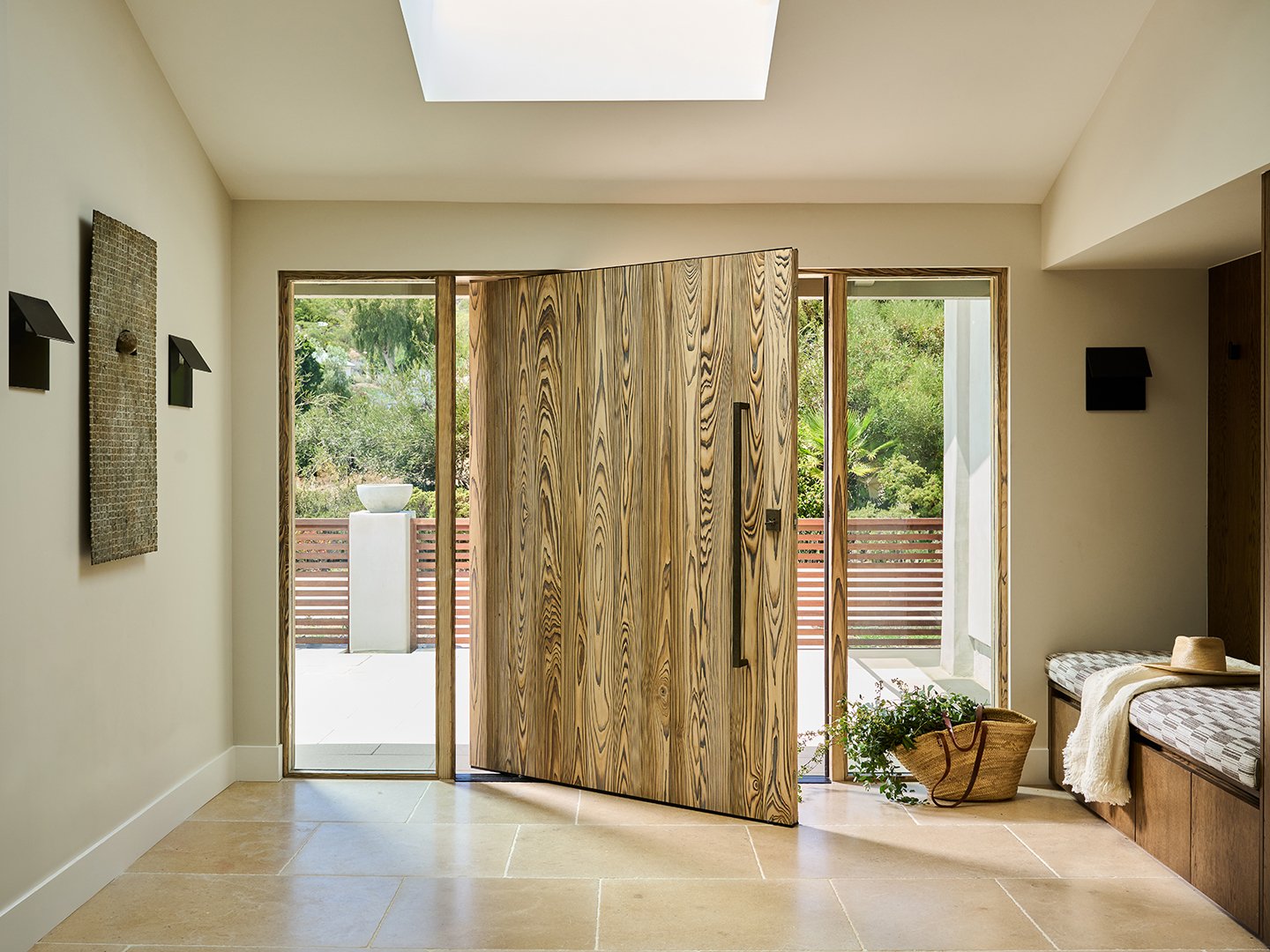
The front door is often one of the first architectural features people notice, but its role goes far beyond curb appeal. A well-designed door contributes to security, energy efficiency, durability, and the overall character of a home.
For modern custom homes, two of the most popular options are steel and aluminum doors. Both offer clean lines and contemporary aesthetics, but they differ in performance, maintenance, cost, and design flexibility. Understanding those differences can help you choose the material that best fits your project.
Steel Doors: Strength and Timeless Appeal
Steel doors have long been valued for their durability and security. Their strength makes them an excellent choice for entry doors, particularly in homes where performance and longevity are priorities.
Another advantage is their slim profiles, which create a refined architectural look while maintaining structural integrity. Steel doors are often associated with traditional steel-framed designs, making them a popular option for homes that blend modern and industrial influences.
The trade-off is maintenance. Although high-quality finishes offer excellent protection, steel can be vulnerable to corrosion if the protective coating is damaged, particularly in coastal environments where salt air accelerates wear. Regular inspections and occasional refinishing may be necessary to keep the door performing at its best.
Aluminum Doors: Modern, Lightweight, and Coastal-Friendly
Aluminum has become increasingly popular in contemporary residential design, especially in coastal regions like North County San Diego. Naturally resistant to corrosion, it performs exceptionally well in environments exposed to salt air and moisture.
Because aluminum is lightweight, it also allows manufacturers to create large door systems with smooth operation. Pivot doors, oversized sliding doors, and expansive glass panels are often easier to achieve with aluminum than with heavier materials.
Today's thermally broken aluminum systems also provide excellent energy performance, making them suitable for homes that prioritize both aesthetics and efficiency.
Design Flexibility
Both materials work beautifully in modern architecture, but they create slightly different visual impressions.
Steel typically offers a more handcrafted, substantial appearance with crisp, narrow sightlines. It often becomes a focal point, especially when paired with large glass panels or darker finishes.
Aluminum tends to have a lighter, cleaner aesthetic. Its versatility makes it well suited to minimalist homes, contemporary coastal architecture, and projects that emphasize indoor-outdoor living with large openings and expansive glazing.
Cost and Long-Term Value
In general, steel doors often come with a higher initial investment due to fabrication, material weight, and installation requirements. Custom steel systems can become particularly expensive when incorporating oversized glazing or complex detailing.
Aluminum systems also represent a premium investment, but their lower maintenance requirements and corrosion resistance can make them a cost-effective choice over time, particularly in coastal climates.
Rather than focusing solely on the purchase price, it's worth considering the total cost of ownership, including maintenance, longevity, and how well the material performs in your specific environment.
Which One Is Right for Your Home?
The best choice depends on your priorities.
If security, architectural character, and a timeless statement piece are at the top of your list, steel may be the ideal fit.
If you're designing a coastal home, want large glass openings, or prefer minimal maintenance, aluminum is often the more practical solution.
In many luxury homes, both materials are used strategically. A steel front door may create a dramatic entrance, while aluminum systems are used for sliding or folding doors that connect interior spaces with the outdoors.
Choosing between steel and aluminum isn't about finding a universally better material. It's about selecting the one that complements your home's architecture, location, and the way you plan to live in it.
When considered early in the design process, the right door system becomes more than an entry point. It becomes an integral part of the home's performance, aesthetics, and everyday experience.
Planning a custom home or remodel in North County San Diego? Evaluating door systems alongside the overall architectural design can help ensure every detail works together, from the front entry to the indoor-outdoor living spaces. Reach out: