
Is Your Home in a High Fire Hazard Zone? What California’s New Zone 0 Rules Mean for Homeowners
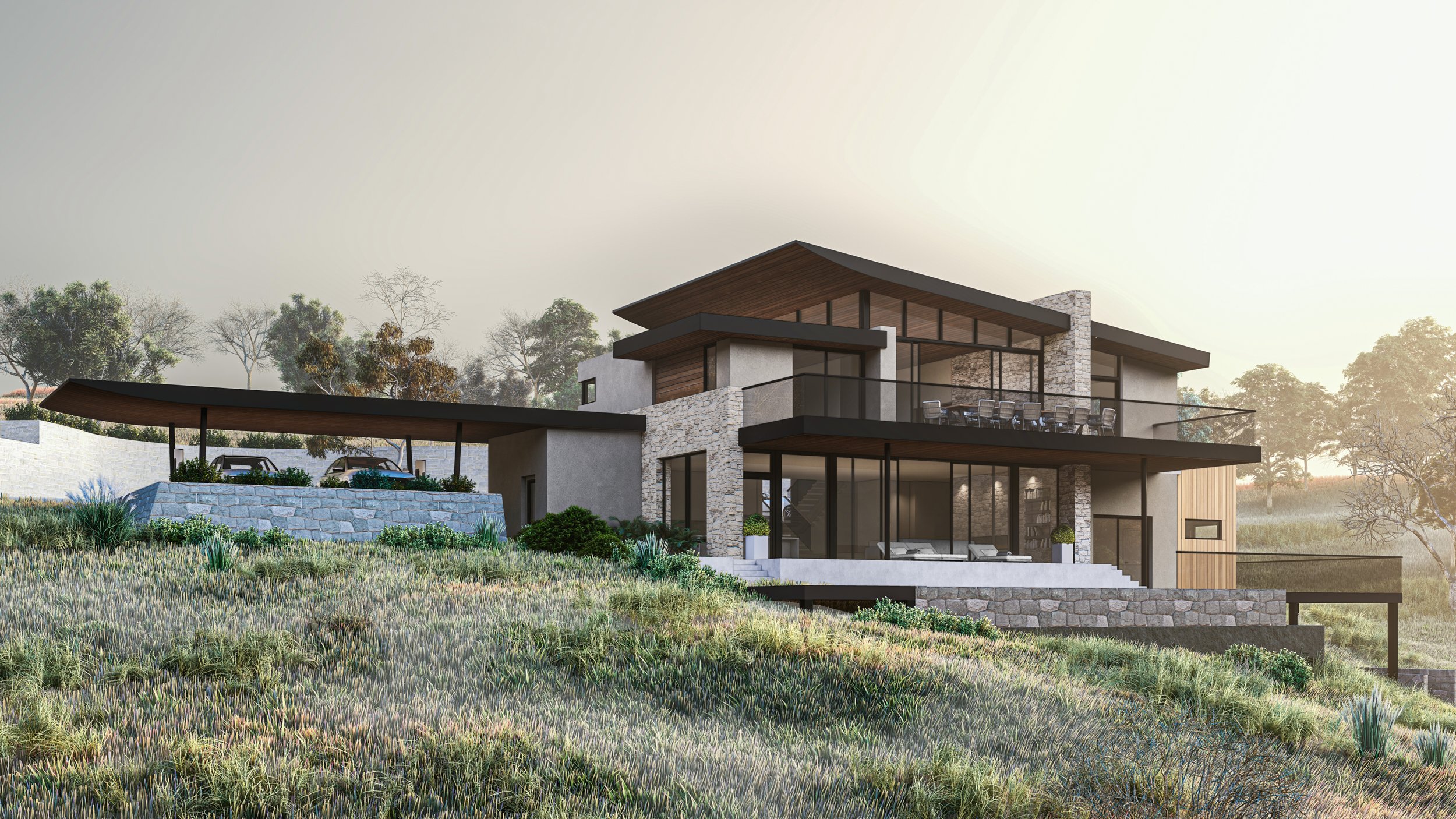
If your home is located in a High or Very High Fire Hazard Severity Zone, new California wildfire regulations could change how you approach landscaping, fencing, outdoor structures and future construction on your property.
California is moving toward stricter requirements for the area immediately surrounding structures, known as Zone 0. The goal is straightforward: reduce the number of combustible materials that can allow embers to ignite a home during a wildfire.
For homeowners, that could mean rethinking everything from landscaping and fencing to patios, pergolas, and exterior finishes.
What Is Zone 0?
Zone 0 refers to the first five feet immediately surrounding a structure. It is also known as the ember-resistant zone because this area is particularly vulnerable to wind-blown embers during a wildfire.
CAL FIRE and the California Office of the State Fire Marshal already identify the first five feet around a structure as the most critical area for reducing ignition risk. The focus is on creating a buffer with as few combustible materials as possible.
Under the forthcoming statewide requirements, properties in qualifying high-fire-risk areas will face tighter restrictions on what can be located within this five-foot area.
That can have a surprisingly large impact on the way a home is designed.
What Could No Longer Be Allowed Within Five Feet?
The new requirements are intended to limit combustible materials immediately adjacent to structures. Depending on the final regulations and how they apply to a specific property, homeowners may need to eliminate or rethink things such as:
Wood mulch and other combustible mulch
Certain vegetation and planting areas
Stored firewood and other combustible materials
Combustible fencing and gates attached to the structure
Wooden sheds and similar accessory structures
Other combustible elements located immediately next to the home
In other words, the five feet surrounding the house can no longer simply be treated as another part of the landscape plan.
Instead, it needs to be considered as part of the home's overall wildfire-resilience strategy.
Additions and New Structures Will Need to Be Designed With Zone 0 in Mind
This is especially important for homeowners planning construction.
A new addition doesn't just change the footprint of the house. It can change the property's Zone 0 area as well.
The same consideration applies to new detached structures such as ADUs, workshops and other accessory buildings. When a new structure is added, the surrounding five-foot area needs to be evaluated as part of the design.
Attached outdoor structures can make things even more complicated.
For example, if a covered patio or pergola is attached to the home, the area around that structure can affect how the Zone 0 requirements are applied. That means a feature that may have traditionally been treated primarily as an outdoor-living element can now have implications for the property's wildfire compliance.
For homeowners planning a project, this is one more reason to think about the entire site before construction begins rather than treating landscaping, fencing and outdoor structures as decisions to make at the end.
What Does This Mean for Fencing?
One of the more noticeable changes for homeowners may be fencing.
A traditional design might include a wood gate or fence that runs directly into the side of the house. In a wildfire-prone area, that combustible connection can create a path for fire to reach the structure.
Under the new Zone 0 approach, details like this will need to be considered much earlier in the design process.
That doesn't necessarily mean eliminating fencing altogether. It means paying closer attention to where combustible materials begin and end, what materials are used, and how the fence interacts with the home.
For a custom home or major remodel, those decisions are much easier to solve during design than after the plans are finished.
Exterior Materials Are Also Becoming More Important
Zone 0 isn't the only wildfire-related change California is moving toward.
California's Wildland-Urban Interface building requirements already establish additional standards for new construction in designated fire hazard areas, including requirements addressing exterior walls, roofs, windows, vents, doors and accessory structures.
The state also maintains a list of approved WUI products and materials through the Office of the State Fire Marshal. These listings cover products and assemblies that have been evaluated for compliance with California's wildfire construction standards.
California is continuing to tighten those requirements, including requirements affecting exterior wall coverings in qualifying fire hazard areas.
For homeowners, the takeaway is important: material selection can't always happen based solely on appearance.
A beautiful siding product may not be appropriate for a particular property if it doesn't meet the applicable wildfire requirements.
Why This Matters for San Diego Homeowners
This is particularly relevant in San Diego County, where many communities include areas designated as High or Very High Fire Hazard Severity Zones.
Wildfire requirements are already part of the permitting and construction process for projects in applicable areas. The new Zone 0 requirements add another layer by focusing specifically on what happens immediately around the structure.
That means a project that looks straightforward on paper can become more complicated once you consider:
The property's Fire Hazard Severity Zone designation
The location of the existing and proposed structures
Setbacks and available yard space
Outdoor living areas
Fencing and gates
Landscaping
Accessory structures
Exterior wall and roof materials
Applicable WUI requirements
This is why wildfire compliance should be considered during the early planning stages, not after the architectural plans are complete.
What About Existing Homes?
The rules are not expected to affect every existing homeowner on the same timeline as new construction.
New structures and qualifying construction projects are expected to be subject to the updated requirements sooner, while existing homes will have a longer period to come into compliance.
The exact timing and implementation will depend on the final regulations and effective date.
For homeowners who aren't planning construction, that gives you more time. But if you are already considering an addition, ADU, remodel or new structure, it's worth understanding the requirements now.
Design for Wildfire Resistance From the Beginning
Wildfire regulations are becoming an increasingly important part of residential design in California.
For homeowners, that doesn't mean sacrificing good design. It means incorporating fire-resistant strategies into the design from the beginning.
A thoughtful plan can still include beautiful landscaping, outdoor entertaining spaces, fencing and architectural details. The difference is that those elements need to be selected and positioned with the property's wildfire exposure and applicable regulations in mind.
If you're planning a new home, addition, ADU or major remodel in a high-fire-risk area, understanding the site's wildfire requirements before design begins can help prevent expensive changes later.
At SoHo Construction Company, we believe the best projects start with understanding the property as a whole. That includes the architecture, construction, site conditions and regulations that will ultimately determine what can be built.
As California's wildfire standards continue to evolve, planning for those requirements early will become an increasingly important part of building a home that is both beautiful and resilient.
Planning a Project in a High-Fire-Risk Area?
If you're considering an addition, ADU, custom home, or major remodel in San Diego, understanding how current and upcoming wildfire regulations may affect your property is an important first step.
At SoHo Construction Company, we help homeowners navigate the design and construction process from early planning through completion, including the site-specific requirements that can impact what and how you build.
Have a project in mind? Tell us a little about it below, and our team will be in touch.
Frequently Asked Questions
What is Zone 0 in California?
Zone 0 is the area within the first five feet of a home or other qualifying structure. California’s new wildfire requirements are intended to reduce combustible materials in this area and help prevent embers from igniting structures.
Does Zone 0 apply to my home?
Zone 0 requirements are particularly relevant to properties located in designated High and Very High Fire Hazard Severity Zones. How and when the requirements apply can depend on whether the property is an existing home or involved in new construction or qualifying remodeling work.
What can I have in Zone 0?
The new requirements restrict or limit combustible materials immediately around structures. Depending on the final requirements and site conditions, this can affect landscaping, mulch, fencing, gates, sheds and other combustible elements within five feet of a structure.
Can I have plants within five feet of my house?
New Zone 0 requirements are designed to limit combustible vegetation immediately adjacent to structures. Homeowners in applicable fire hazard areas should review their landscaping plans to determine what is permitted under the requirements that apply to their property.
Will Zone 0 rules apply to additions and ADUs?
Yes. New construction and qualifying projects that add square footage, including certain additions and detached ADUs, will need to account for applicable wildfire and Zone 0 requirements as part of the design and permitting process.
Can I have a wood fence or gate attached to my house?
Combustible fencing and gates immediately adjacent to a structure may be restricted under the new Zone 0 requirements. This is an important detail to consider when designing fencing and property access in a high fire hazard area.
Do Zone 0 requirements apply to existing homes?
Existing homes are expected to have a longer period to address the requirements than new construction and qualifying projects. The specific compliance timeline will depend on the final regulations and effective date.
What exterior materials are allowed in a high fire hazard zone?
Homes in applicable wildfire hazard areas may be subject to specific WUI requirements for exterior materials and assemblies. Homeowners should confirm that proposed siding, roofing, windows, doors and other exterior products meet the requirements applicable to their property and project.
When do California's new Zone 0 rules take effect?
The new requirements have been approved but are still subject to the final steps required before they become effective. The effective date and implementation details should be confirmed as the regulations are finalized.
What should I do if I’m planning to build in a high fire hazard zone?
Start by determining the property's Fire Hazard Severity Zone designation and reviewing the applicable wildfire, WUI and Zone 0 requirements before finalizing the design. Addressing these requirements early can help avoid costly design changes later.