
The Best Natural Stones for Coastal Homes
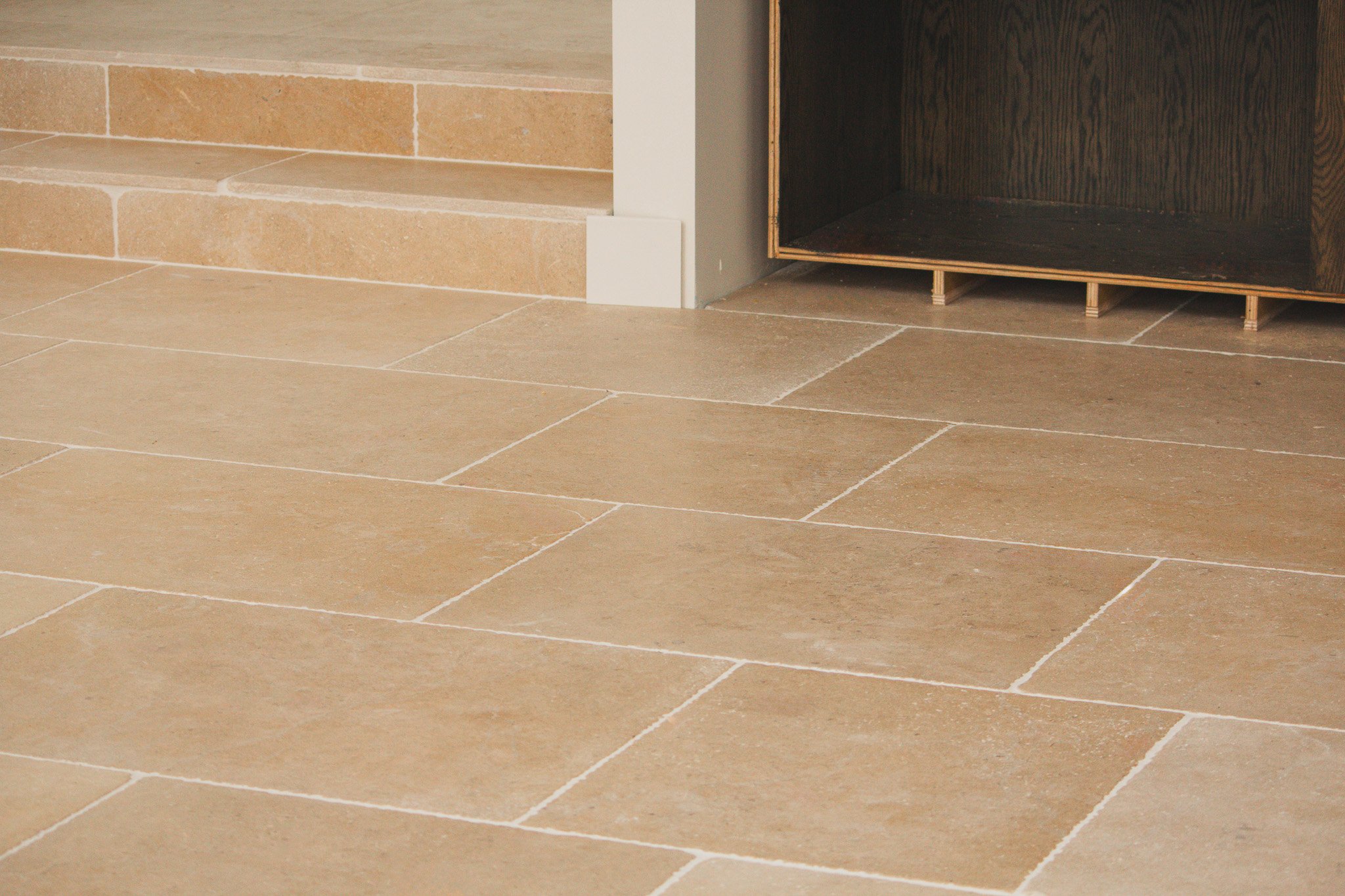
Coastal homes have a very specific relationship with materials. Between salt air, humidity, intense sunlight, and indoor outdoor living, finishes need to do more than just look beautiful. They need to age well, feel timeless, and respond naturally to the environment around them.
That’s one reason natural stone remains such a popular choice in coastal architecture, especially in areas like Del Mar, Encinitas, and Solana Beach. The right stone can make a home feel grounded, warm, and connected to its surroundings while also standing up to coastal conditions over time.
Here are some of the best natural stones to consider for a coastal home and what makes each one unique.
Limestone: Soft, Timeless, and Relaxed
Limestone is one of the most common choices for coastal interiors because of its understated texture and muted tones. Soft creams, sandy beiges, and light grays pair naturally with coastal palettes and create a calm, refined atmosphere.
It works especially well for flooring, bathrooms, fireplaces, and exterior cladding. While limestone is softer and more porous than some other stones, proper sealing and finish selection help it perform well in residential applications.
Travertine: Warm and Architectural
Travertine has seen a major comeback in modern coastal design. Its organic texture and natural tonal variation bring warmth without feeling overly polished or formal.
In coastal homes, travertine is often used for patios, pool areas, bathrooms, and indoor outdoor transitions because it stays relatively cool underfoot and creates a relaxed, Mediterranean-inspired feel. Honed or filled finishes tend to work best for a more contemporary look.
Quartzite: Durable with a Natural Look
For homeowners who want the elegance of marble with greater durability, quartzite is often a strong option. It performs well in coastal environments thanks to its density and resistance to moisture, UV exposure, and wear.
Quartzite is commonly used for kitchen countertops, outdoor kitchens, and feature walls where both aesthetics and durability matter.
Granite: High Performance for Coastal Conditions
Granite remains one of the most durable natural stones available. Its dense composition makes it highly resistant to salt air, moisture, and heavy use, which is especially valuable in coastal settings.
While darker granites can sometimes feel heavy visually, lighter or honed finishes work beautifully in modern coastal homes, particularly for exterior applications, kitchens, and outdoor entertaining spaces.
The Importance of Finish and Maintenance
In coastal environments, the finish of the stone matters almost as much as the material itself. Honed, brushed, or textured finishes often perform better than highly polished surfaces, especially outdoors where moisture and salt exposure are constant.
Proper detailing, drainage, and sealing also play a major role in long-term performance. Even the most durable stone benefits from thoughtful specification and maintenance.
The best natural stone for a coastal home depends on the balance between aesthetics, durability, and how the space will be used. Some stones offer softness and warmth, while others prioritize resilience and performance.
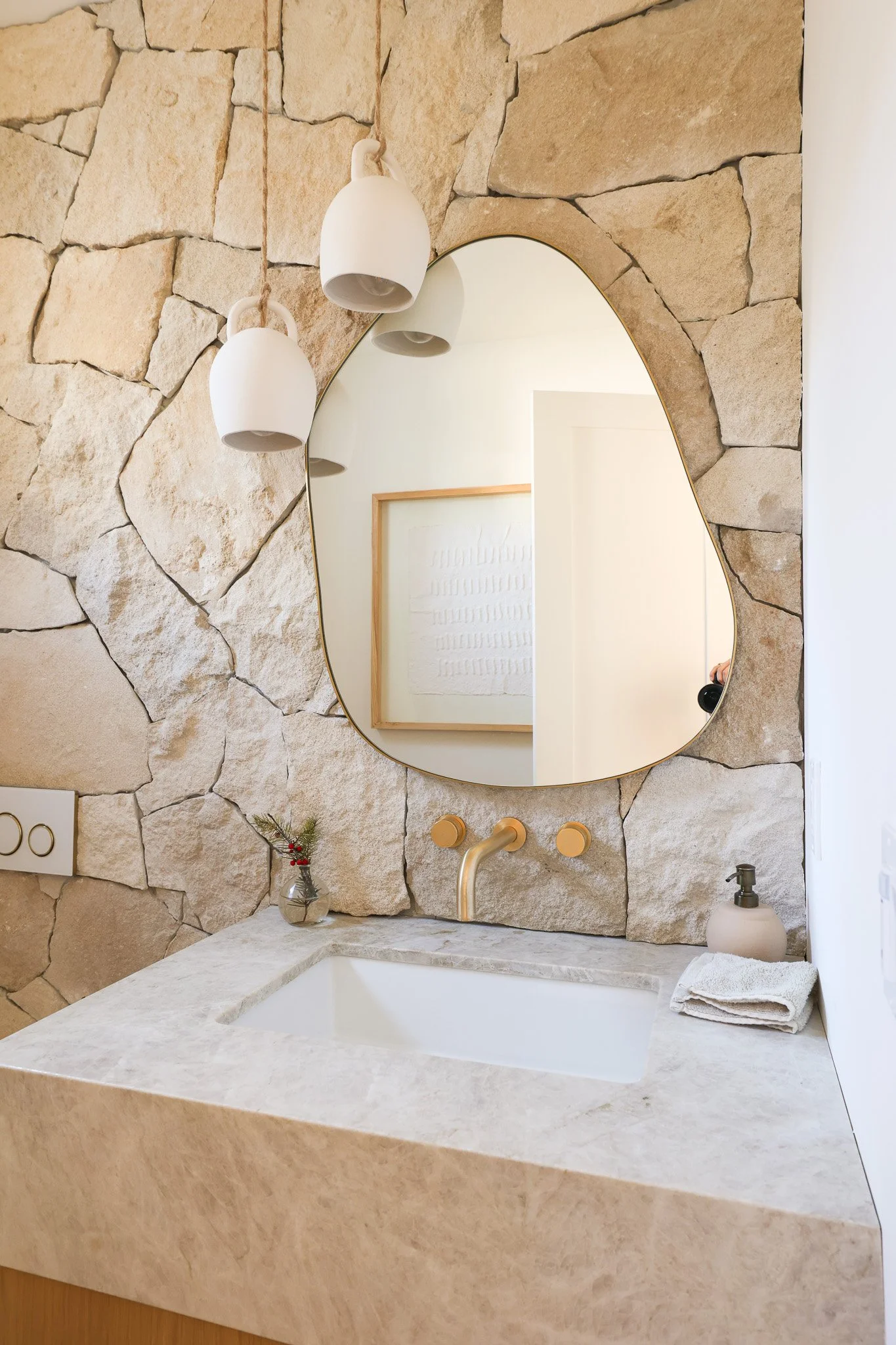
When selected carefully, natural stone adds a level of texture, permanence, and architectural character that feels especially suited to coastal living.
Planning a coastal remodel or custom home in North County San Diego? Choosing the right materials early in the design process can help create a home that feels both timeless and deeply connected to its environment. Reach out to our team:
FAQ: The Best Natural Stones for Coastal Homes
What is the best natural stone for coastal homes?
The best natural stone for a coastal home depends on the application and desired aesthetic. Limestone and travertine are popular for their soft, relaxed appearance, while quartzite and granite offer greater durability for high-use or exterior areas. In coastal environments like Del Mar, Encinitas, and Solana Beach, selecting the right finish and proper sealing is just as important as the stone itself.
Is natural stone good for homes near the ocean?
Yes. Natural stone performs very well in coastal homes when properly specified and maintained. Dense stones like granite and quartzite are especially resistant to salt air, humidity, UV exposure, and moisture. Softer stones like limestone and travertine can also work beautifully with the correct finish, sealing, and drainage considerations.
What natural stone works best outdoors in coastal climates?
Quartzite, granite, and travertine are commonly used outdoors in coastal climates. Travertine is popular for patios and pool decks because it stays cool underfoot, while granite and quartzite offer excellent durability for outdoor kitchens, walkways, and entertaining spaces.
Is limestone too porous for coastal homes?
Limestone is more porous than granite or quartzite, but it can still perform well in coastal homes when sealed properly and installed in appropriate applications. Honed finishes and routine maintenance help limestone age gracefully in coastal environments.
What finish is best for natural stone in coastal homes?
Honed, brushed, or textured finishes are often preferred in coastal homes because they feel more natural and perform better in humid or wet environments. These finishes also tend to complement modern coastal architecture more effectively than highly polished surfaces.
Does salt air damage natural stone?
Salt air can affect natural stone over time, particularly if the stone is improperly sealed or detailed. Choosing durable materials, using the right finish, and maintaining proper drainage and sealing all help protect natural stone in coastal environments.
What is the most durable natural stone for coastal homes?
Granite is typically considered one of the most durable natural stones for coastal conditions due to its density and resistance to moisture, salt exposure, and wear. Quartzite is also highly durable while offering a softer, more natural aesthetic.
Can travertine be used around pools in coastal homes?
Yes. Travertine is commonly used around pools because it remains relatively cool underfoot and provides a relaxed, Mediterranean-inspired look that pairs well with coastal architecture. Honed or filled travertine is often preferred for a cleaner, more contemporary appearance.