
The Details That Make a Home Feel Truly Custom
A custom home is more than a unique floor plan or a collection of high-end finishes. What truly sets it apart are the thoughtful details that make the home feel intentional, cohesive, and tailored to the people living in it.
In many cases, the difference between a house that feels standard and one that feels custom comes down to decisions that are subtle rather than obvious. It is not necessarily about adding more, but about designing with greater purpose.
Architectural Details That Add Depth
One of the first things that makes a home feel custom is architectural layering. Elements like custom millwork, built-ins, ceiling details, oversized trim, and carefully proportioned openings create depth and character that standard construction often lacks. These features help spaces feel more finished, refined, and connected to the overall design vision.
Even relatively simple details, when applied consistently throughout a home, can dramatically change how the architecture is perceived.
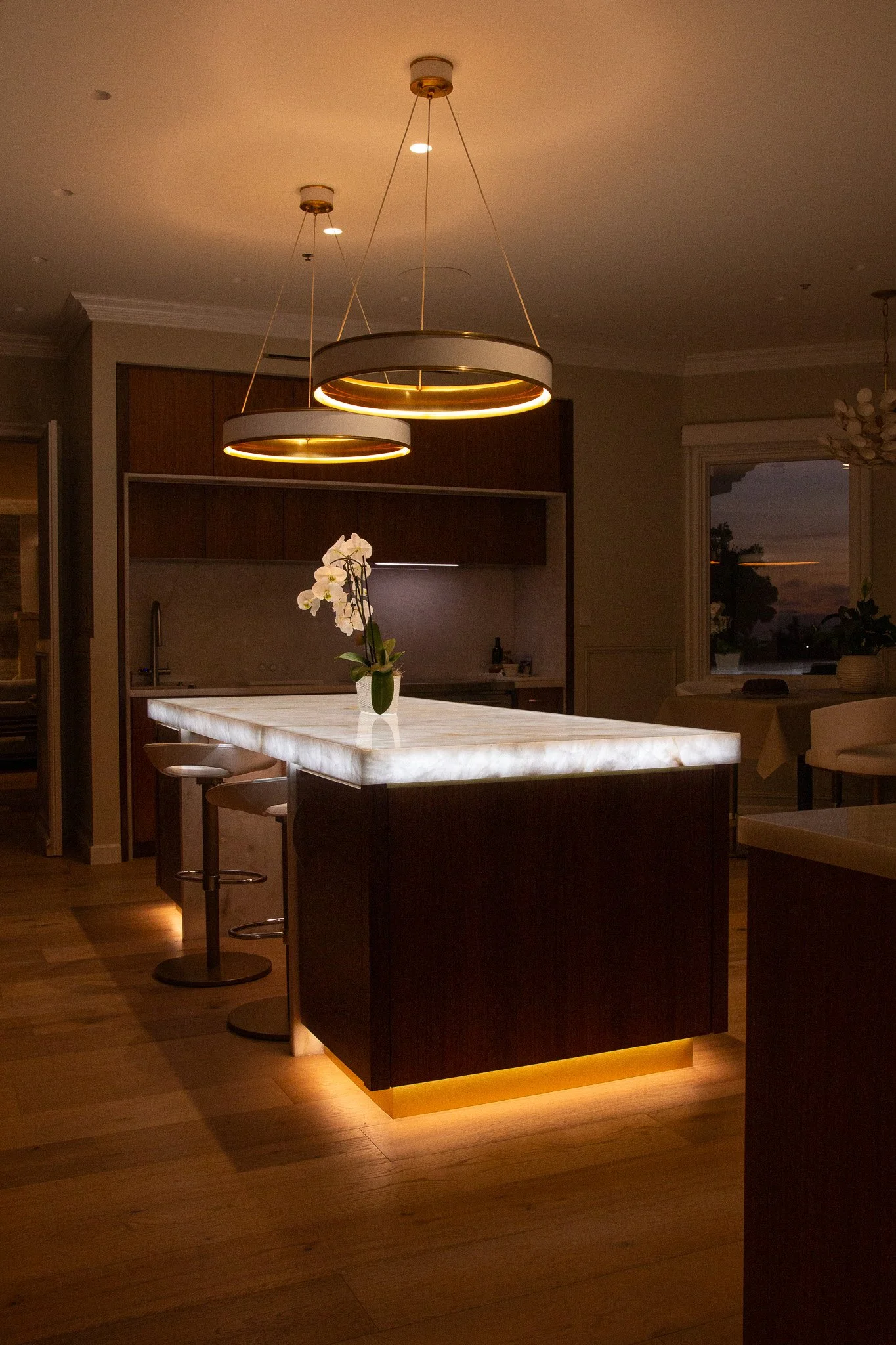
Thoughtful Lighting Design
Lighting is one of the most overlooked aspects of residential design. A truly custom home relies on layered lighting rather than a single source.
Instead of depending entirely on recessed fixtures, custom homes often combine decorative pendants, sconces, integrated lighting, accent lighting, and dimmers to create different moods throughout the day. When lighting is considered early in the design process, it becomes part of the architecture rather than an afterthought.
Design That Reflects Real Life
Some of the most valuable custom details are the ones people notice only after living in the home. Integrated storage, tailored closet systems, hidden utility areas, built-in seating, and spaces designed around daily routines all contribute to a home that feels personal and highly functional.
Rather than forcing homeowners to adapt to the house, custom design allows the house to adapt to the way people actually live.
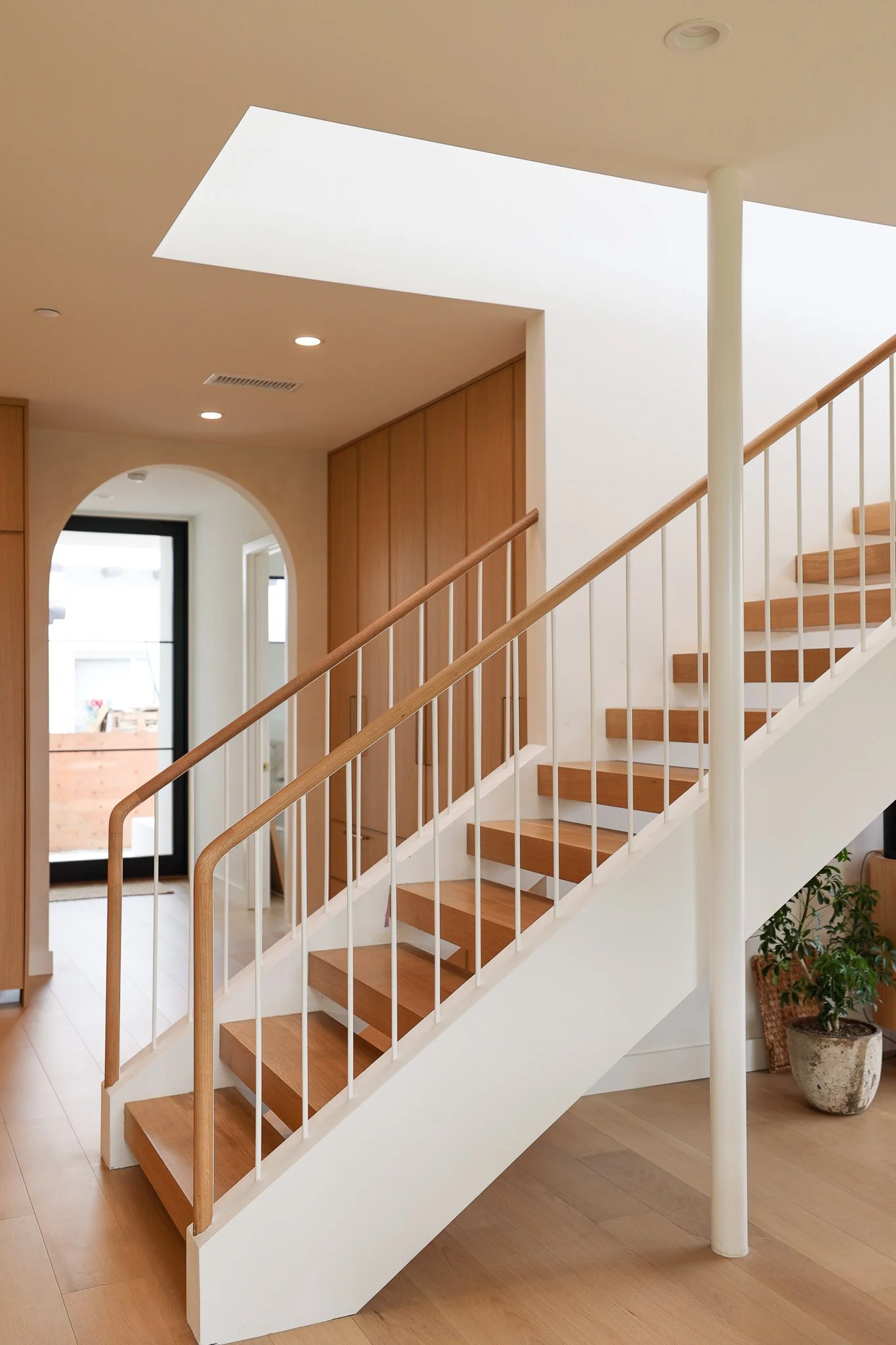
Materials That Feel Cohesive
Custom homes tend to feel intentional because the materials work together as part of a larger story. Flooring, cabinetry, stone, metal finishes, and textures are selected with the entire home in mind rather than room by room.
This does not mean every space should look identical. Instead, there should be a sense of continuity that allows rooms to transition naturally from one to the next. Consistency in materials often creates a stronger impression than constantly introducing something new.
Scale, Proportion, and Flow
A home can have beautiful finishes and still feel awkward if the proportions are off. Custom homes often stand out because room sizes, ceiling heights, window placement, and circulation have been carefully considered together.
Well-proportioned spaces tend to feel more comfortable and timeless. Large homes do not necessarily feel luxurious because of their size alone. They feel luxurious when the scale of every element feels balanced and intentional.
A Strong Connection to the Site
One of the defining characteristics of a custom home is that it responds to its surroundings. In North County San Diego communities like Del Mar or Encinitas, this often means orienting living spaces toward views, maximizing natural light, creating privacy where needed, and strengthening indoor outdoor connections.
These decisions make the home feel like it belongs on the property rather than simply being placed on it.
The homes that feel truly custom are rarely defined by a single feature. Instead, they are shaped by hundreds of small decisions working together, from architectural details and material selections to lighting, flow, and functionality.
When design, architecture, and construction are aligned from the beginning, those details become part of a cohesive whole rather than a collection of upgrades.
Planning a custom home in North County San Diego? Thoughtful design and careful attention to detail can transform a house into a home that feels uniquely connected to both its owners and its setting. Reach out: