
What to Look for When Buying Land to Build a Home in San Diego
Buying land to build a home in San Diego can be an exciting opportunity, but it also comes with risks that aren’t always obvious at first glance. A lot that looks ideal based on location or price may come with zoning limitations, site challenges, or hidden costs that directly impact what you can actually build. Taking the time to evaluate these factors early can make a significant difference in both budget and design potential.
Zoning & Buildability
One of the first things to verify is what the property actually allows you to build. Zoning regulations define setbacks, height limits, Floor Area Ratio (FAR), and permitted uses, all of which shape your design before it even begins.
In neighborhoods like Del Mar or Solana Beach, zoning regulations can be especially strict due to coastal overlays and view protection guidelines. This can directly impact height limits, allowable square footage, and overall design flexibility. For example, a lot may seem large enough for a two-story home, but height restrictions or FAR limits could reduce the total allowable square footage. In some cases, overlay zones or neighborhood guidelines add another layer of constraints. Understanding these rules upfront helps avoid investing in land that doesn’t align with your goals.
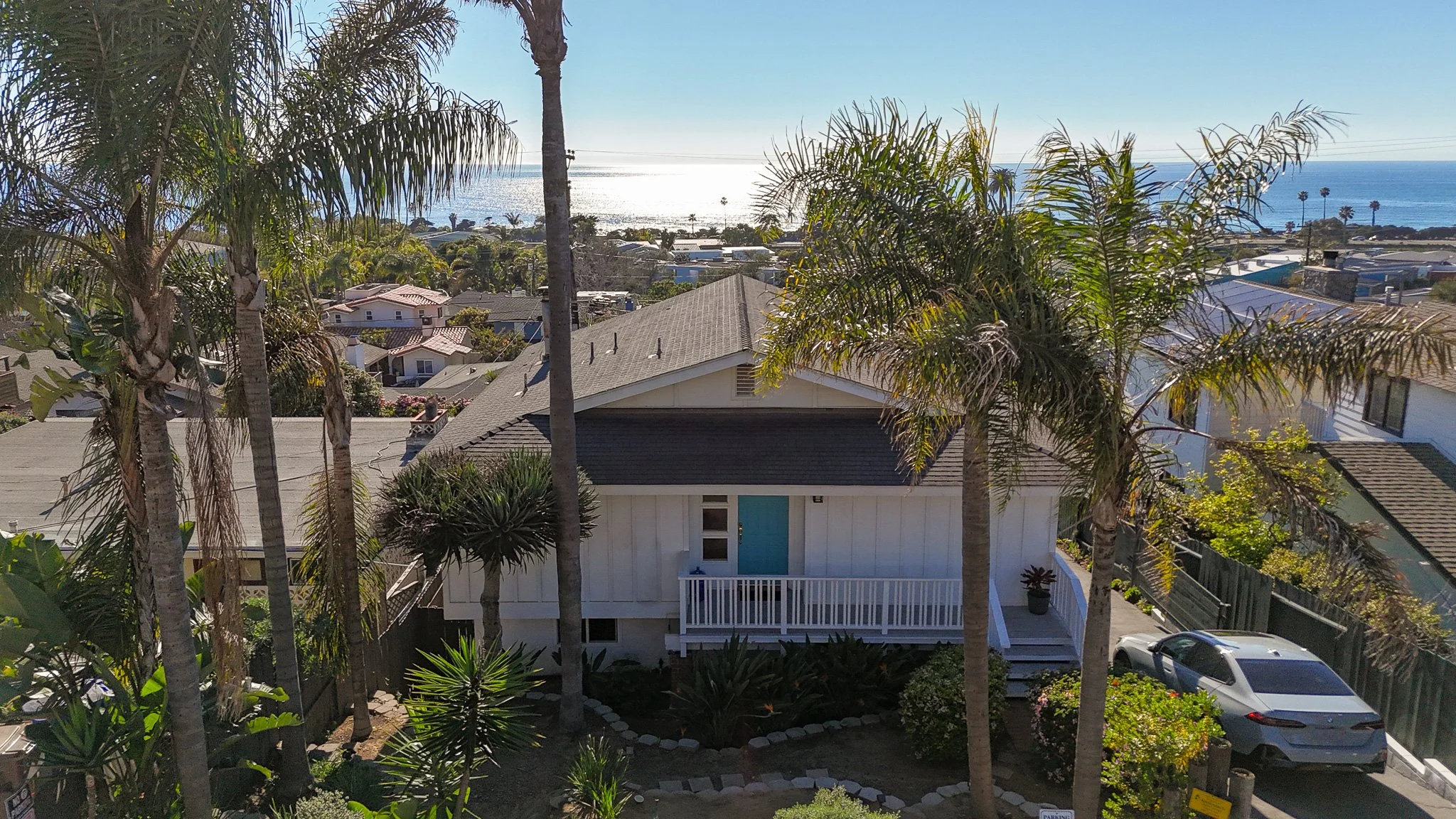
Lot Shape and Usable Area
Not all square footage is usable. Irregularly shaped lots, narrow parcels, or properties with easements can significantly reduce the effective buildable area.
A long, narrow lot may limit layout options, while easements for utilities or access can restrict where you can place the home, driveway, or outdoor areas. Even on larger properties, setbacks can shrink the usable footprint more than expected. Reviewing a site plan or feasibility study early can clarify what’s realistically possible.
Topography and Soil Conditions
Flat lots are typically more straightforward to build on, while sloped sites require additional planning and construction strategies. In areas of North County like Encinitas or Carlsbad, hillside properties are common and often offer great views, but they also come with added complexity.
Steep slopes may require retaining walls, specialized foundations, or drainage systems, while soil conditions can influence how the structure is supported. A geotechnical report can reveal whether the site requires over-excavation, reinforcement, or other interventions that impact cost early on.
Utilities and Access
Some lots do not have immediate access to essential utilities like water, sewer, gas, or electricity. Extending these services can be costly and time-consuming, especially in less developed areas.
Access is another factor that’s easy to overlook. Narrow streets, shared driveways, or limited entry points can complicate construction logistics. In some cases, restricted access can affect everything from material delivery to the type of equipment that can be used on site.
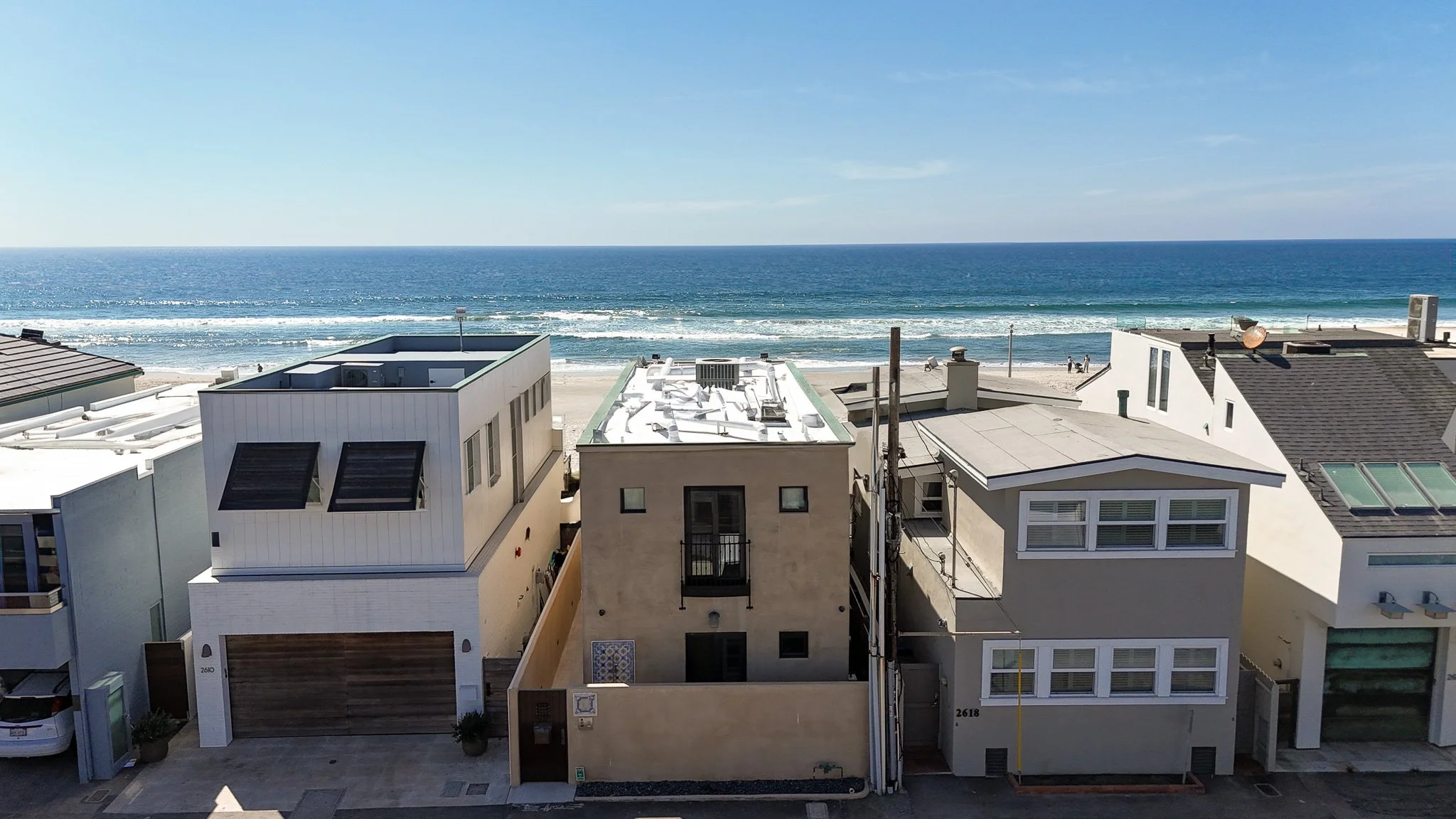
Environmental and Coastal Regulations
San Diego has strict environmental and coastal regulations that can affect both design and timeline. Properties near the coast, canyons, or protected areas may require additional approvals, environmental studies, or design adjustments.
Coastal zones in places like Del Mar or Carlsbad often involve additional environmental review processes and stricter permitting requirements, especially for properties near the shoreline or sensitive habitats. These requirements don’t necessarily make a project unfeasible, but they do add time, coordination, and cost. Understanding whether your lot falls within one of these zones is key before moving forward.
Neighborhood Context and Long-Term Value
Beyond the lot itself, the surrounding context plays an important role. Orientation, privacy, views, and neighboring properties all influence how your home will feel and function.
For example, a lot with strong views in one direction may benefit from orienting living spaces accordingly, while proximity to neighboring homes may require more thoughtful window placement. Designing with context in mind not only improves daily living but also supports long-term property value.
In design-forward communities like Encinitas or Solana Beach, architectural character, orientation, and integration with the surrounding environment play a key role in long-term value and overall appeal.
Buying land is one of the most important decisions in the homebuilding process. What you can build is shaped not just by the lot, but by zoning, site conditions, and planning constraints. Taking the time to evaluate these factors early can help you avoid costly surprises and move forward with clarity and confidence.
Considering building in San Diego? A professional feasibility review before purchasing land can help you understand the true potential of a property and make a more informed investment. Reach out to our team: