
What Most Homeowners Get Wrong About Open-Concept Design
Open-concept design is one of the most requested layout changes in modern renovations. Homeowners are drawn to the idea of brighter interiors, better flow, and spaces that feel larger and more connected. But while open layouts photograph beautifully, they are often misunderstood. Without careful planning, an open-concept remodel can create long-term frustrations related to noise, privacy, lighting, and everyday functionality. Below are the most common mistakes homeowners make and what to consider before opening up your space.
1. “Any Wall Can Be Removed Without Consequences”
One of the biggest misconceptions is that creating an open concept simply means removing walls. In reality, many walls are structural, and removing them without proper evaluation can lead to costly fixes or awkward solutions later. Poorly planned structural changes may require oversized beams, visible columns, or ceiling drops that disrupt the intended clean look. When these decisions are rushed or not coordinated early, the result can be a space that feels compromised and frustrating to live in long term.
2. “Open Concept Eliminates the Need for Defined Spaces”
A successful open layout still needs clearly designated zones. Without intentional separation, spaces can feel chaotic, noisy, and lacking privacy. Living, dining, and kitchen areas should be visually and functionally distinct, even if they share the same footprint. Subtle zoning strategies like furniture placement, ceiling treatments, changes in flooring, or partial partitions help maintain flow while preserving comfort and usability.
3. “Lighting and Windows Will Take Care of Themselves”
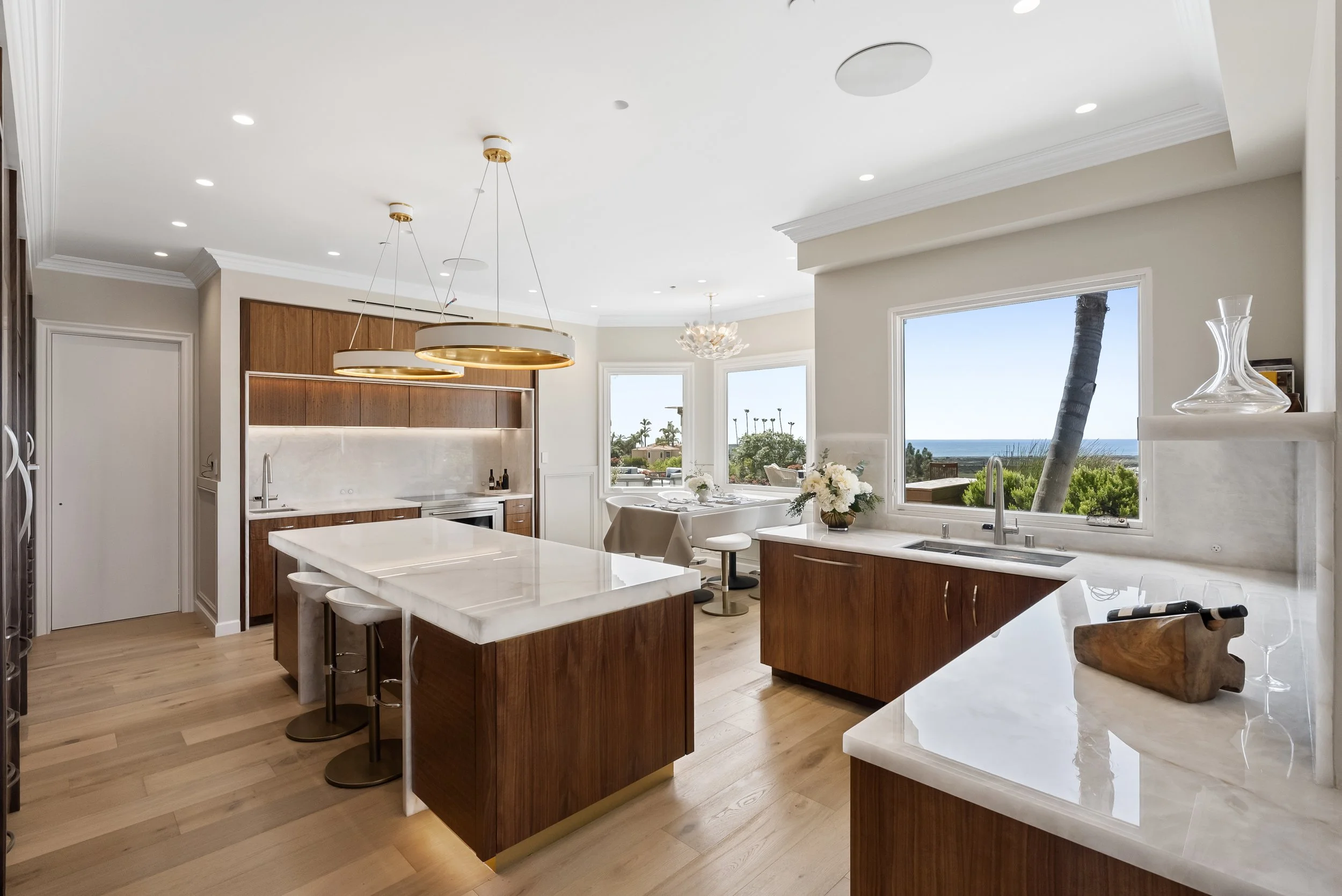
Open spaces require more thoughtful lighting and window placement, not less. Relying on a single, blanket approach like recessed lighting often results in flat, one-dimensional spaces. Each zone needs layered lighting to support its function. Pendant lights over a kitchen island, a chandelier or statement fixture in the dining area, and ambient and task lighting in the living space all work together to create depth and warmth. Poor window placement can also lead to glare, lack of privacy, or uneven natural light across the space.

4. “Acoustics Aren’t a Concern in Open Plans”
Ignoring acoustics is one of the most common and most regretted mistakes. Open layouts amplify sound, create echoes, and allow noise to travel freely between zones. This becomes especially problematic in homes with work-from-home setups, kids, or multiple activities happening at once. Addressing acoustics may involve using sound-absorbing materials, soft finishes, strategic layouts, or even techniques commonly used in soundproofing, all of which should be considered early in the design process.
5. “Open Concept Means More Storage and Less Clutter”
Without walls, there are fewer opportunities for cabinets, closets, and built-ins. The misconception is that a larger open room provides more space for everything. In reality, with nowhere to hide everyday items, clutter becomes more visible. Storage needs must be carefully integrated through custom cabinetry, concealed storage, and thoughtful millwork to keep the space functional and visually calm.
6. Underestimating the Role of Interior Design
In an open-concept home, visual continuity is critical. Mixing conflicting styles can make the space feel disjointed and overwhelming. Consistency in materials, finishes, and overall design language helps the home feel cohesive and intentional. When zoning, storage, lighting, and finishes work together, the space feels curated rather than chaotic.

Open-concept design can be transformative, but it requires more planning than most homeowners expect. When structure, lighting, acoustics, storage, and design are addressed holistically, the result is a space that looks great and functions effortlessly.
Thinking about opening up your home? Reach out to our team. Working with an architecture and construction team from the start ensures your open-concept remodel is designed to perform just as well as it looks.
FAQ: Open-Concept Design for Home Remodels
Is open-concept design right for every home?
No. Open-concept layouts work best when the home’s structure, lifestyle needs, and layout support it. Some homes benefit more from partial openness or strategically connected spaces rather than removing every wall.
Can any wall be removed to create an open concept?
No. Many walls are structural and require engineering evaluation before removal. Improper planning can result in visible beams, columns, or ceiling drops that compromise the final design.
How do you define spaces in an open-concept layout?
Successful open layouts use zoning strategies such as furniture placement, ceiling treatments, flooring transitions, partial walls, or changes in lighting to visually and functionally separate areas without closing them off.
What lighting works best in open-concept homes?
Layered lighting is essential. Each zone should have its own combination of ambient, task, and accent lighting, such as pendants over islands, statement fixtures in dining areas, and softer lighting in living spaces, to avoid a flat or overly bright environment.
Are open-concept homes noisy?
They can be if acoustics aren’t addressed early. Sound travels more freely in open spaces, which can create echoes and distractions. Soft finishes, sound-absorbing materials, and thoughtful layouts help reduce noise issues.
Does open-concept design reduce storage options?
Yes, if storage isn’t planned intentionally. Removing walls often eliminates opportunities for closets and cabinetry. Custom built-ins, concealed storage, and millwork are critical to maintaining organization and minimizing visible clutter.
Why is interior design more important in open-concept homes?
Because all spaces are visually connected, inconsistent styles or finishes can feel chaotic. A cohesive design language across materials, colors, and finishes creates a calm, intentional result.
Should architecture and construction teams be involved from the start?
Absolutely. Early coordination ensures structural changes, lighting, acoustics, storage, and design details are integrated holistically, preventing costly fixes and design compromises later.