
Best Time of Year to Remodel in San Diego (From a Construction Perspective)
If you’re planning a home remodel in San Diego, timing matters more than most homeowners expect. While Southern California’s mild climate allows construction year-round, each season comes with its own advantages and challenges from a construction standpoint. Understanding how timing affects permits, labor availability, costs, and schedules can help you plan a smoother, more efficient remodel.
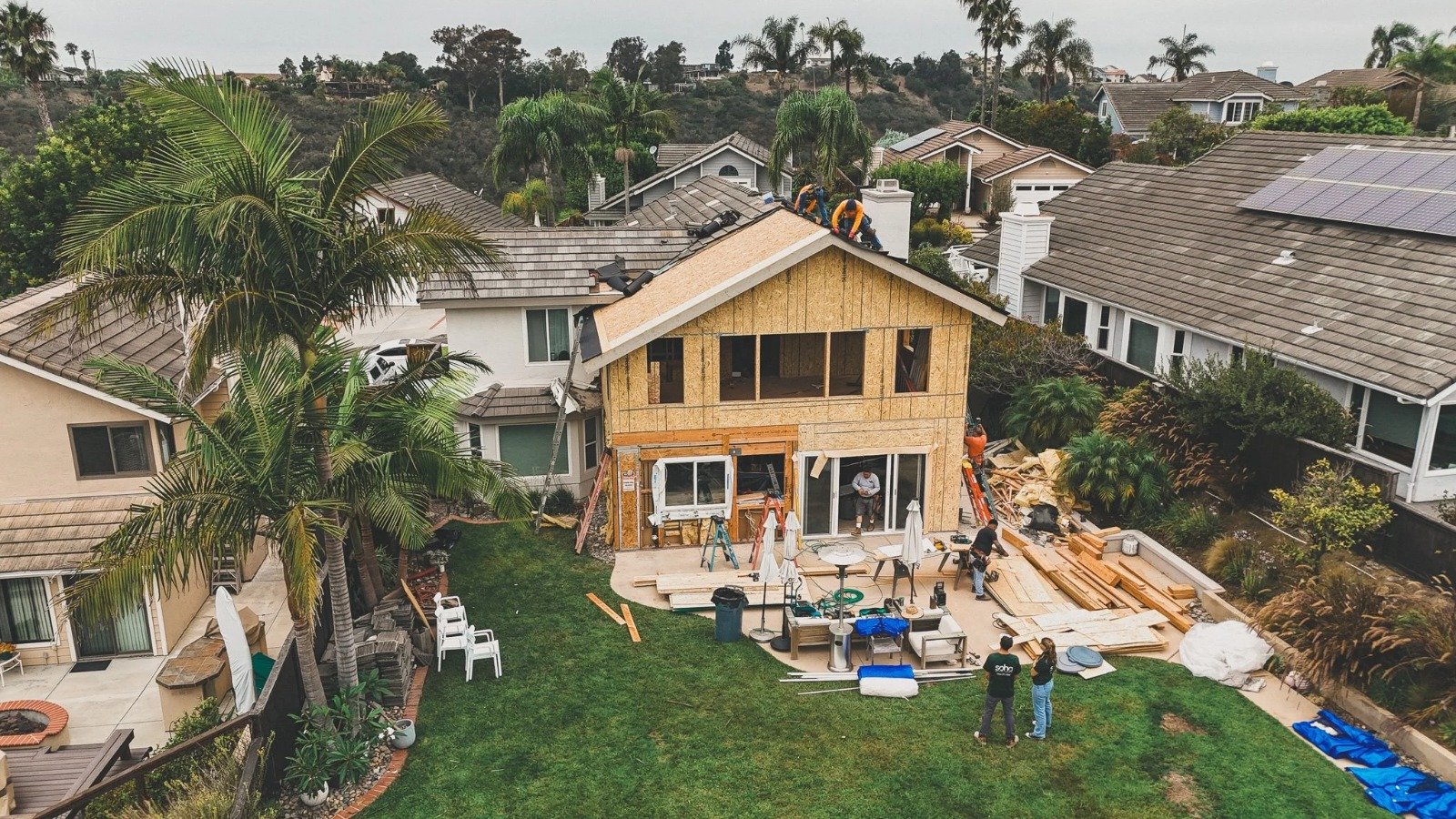
Spring: High Demand, Smooth Conditions
Spring is one of the most popular times to remodel. Weather conditions are ideal, daylight hours increase, and many homeowners want projects completed before summer. From a construction perspective, this is a reliable season, but it comes with higher demand. Contractors’ schedules fill up quickly, permit departments get busier, and lead times for materials can extend. If you’re aiming for a spring start, planning several months in advance is essential.
Summer: Fast Progress, Scheduling Challenges
Summer offers excellent building conditions and allows for fast-paced work, especially for exterior projects like additions, windows, or structural upgrades. However, it’s also peak season for contractors, which can affect availability and pricing. Trades may be booked out, and coordinating inspections can take longer. Summer remodels work best when plans, permits, and materials are locked in ahead of time.

Fall: A Sweet Spot for Remodeling
From a construction perspective, fall is often one of the best times to remodel in San Diego. Demand typically slows after summer, contractors have more flexibility, and weather remains favorable. Permit offices also tend to be less congested, which can help keep projects moving. Many homeowners find this season offers the best balance between cost, scheduling, and efficiency.
Winter: Underrated and Strategic
Winter is frequently overlooked, but it can be a smart choice for interior remodels. Contractors often have more availability, and some material lead times improve. While rain can affect exterior work, experienced teams plan around weather conditions. Starting in winter can also position your home to be ready for spring or summer use.
The best time to remodel in San Diego ultimately depends on your project type, flexibility, and planning horizon. From a construction standpoint, early planning matters more than the season itself. Aligning design, permits, and contractor availability is what truly sets a project up for success.
If you’re considering a remodel, consulting with a construction professional early can help determine the ideal timeline for your specific goals.
FAQ Section: Best Time of Year to Remodel in San Diego
1. What is the best time of year to remodel a home in San Diego?
From a construction perspective, fall is often the best time to remodel in San Diego. Contractor availability improves, permit offices are less congested, and weather conditions remain favorable, creating a balance between cost, scheduling, and efficiency.
2. Can I remodel during winter in San Diego?
Yes. Winter is an excellent time for interior remodels. Contractors typically have more availability, and material lead times may be shorter. While rain can impact exterior work, experienced construction teams plan schedules accordingly.
3. Is summer a good time for major remodeling projects?
Summer provides ideal conditions for construction, especially for exterior projects. However, it is also peak season, which can lead to higher costs, limited contractor availability, and longer inspection wait times if planning isn’t done early.
4. How far in advance should I plan a remodel in San Diego?
For best results, homeowners should begin planning 3–6 months in advance, especially for spring or summer projects. Early planning helps secure contractor availability, streamline permits, and avoid material delays.
5. Does the season affect remodeling costs in San Diego?
Yes. High-demand seasons like spring and summer can come with increased labor costs and longer timelines. Fall and winter may offer more competitive pricing due to reduced demand.