
What Makes a Home Feel High-End? 10 Construction Details That Matter
A high-end home is not defined by its price tag alone. The difference is often in the details you notice without necessarily knowing why they feel different. Precise proportions, clean transitions, thoughtful lighting, and carefully executed materials can make a home feel more refined, comfortable, and intentional.
Many of these details are established during the construction and design process, long before furniture and accessories are added. Here are ten construction details that can make a significant difference in how a home looks and feels.
1. Flush Baseboards and Door Casings
Traditional trim can add character, but flush or integrated baseboards and door casings create a cleaner, more architectural appearance. When trim sits nearly flush with the wall, transitions feel intentional and uninterrupted.
This detail works particularly well in contemporary and minimalist homes where clean lines are central to the design.
2. Well-Proportioned Doors and Openings
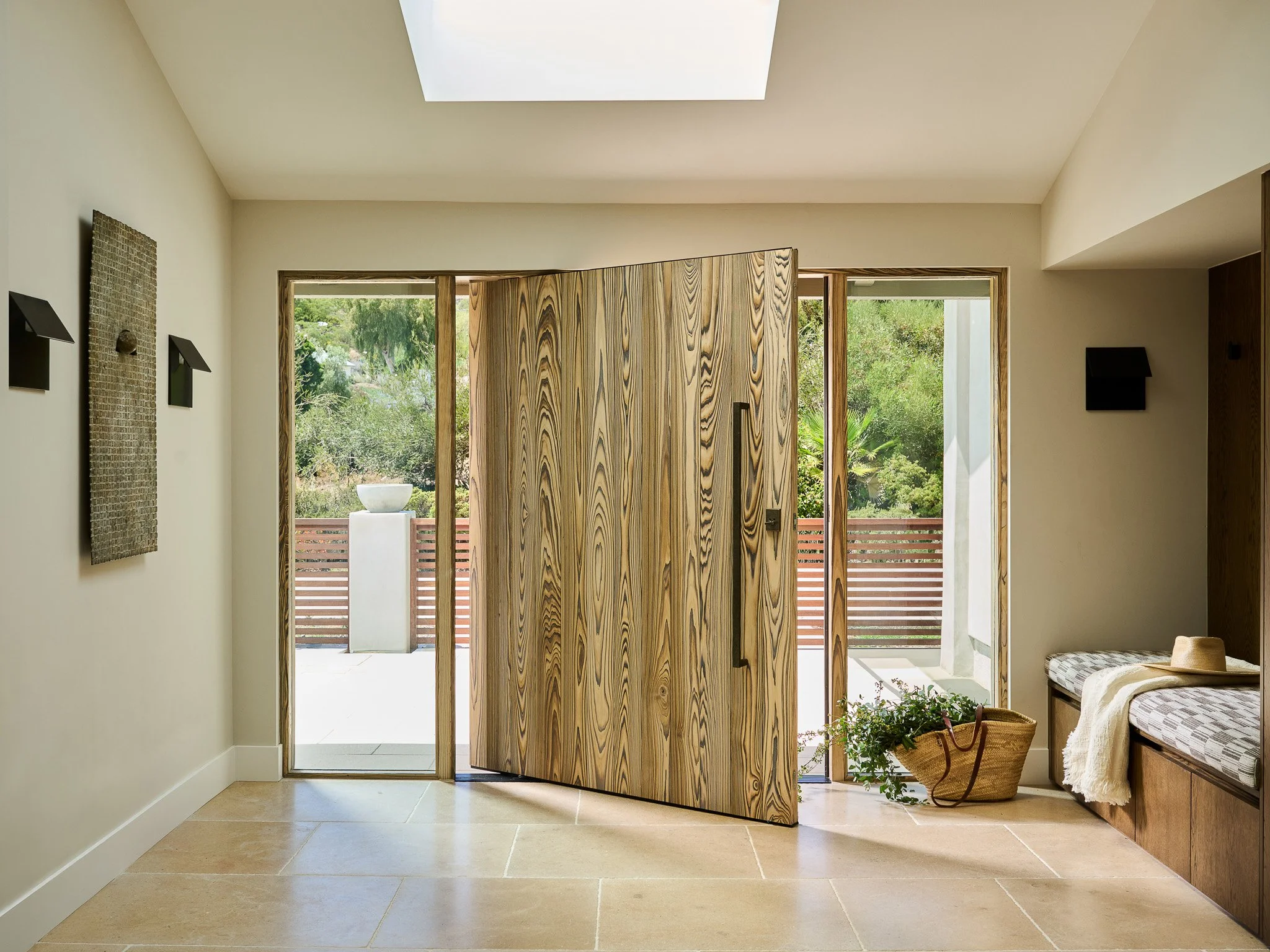
Scale has a major impact on how a room feels. Taller interior doors, larger openings, and carefully proportioned windows can make ceilings feel higher and spaces feel more generous.
The goal is not simply to make everything bigger. Proportion matters more than size alone.
3. Large, Well-Designed Window Systems
Windows are both architectural and functional. High-quality systems can provide slimmer sightlines, larger openings, better natural light, and smoother connections between indoor and outdoor spaces.
In San Diego, where indoor-outdoor living is such an important part of residential design, thoughtfully positioned openings can also help frame views and extend living spaces toward patios, gardens, or the landscape.
4. Layered Architectural Lighting
A high-end home rarely relies on a grid of recessed lights alone. A more sophisticated lighting plan combines ambient, task, accent, and architectural lighting.
Integrated LED strips, concealed cove lighting, wall washing, and carefully positioned fixtures can highlight materials and architectural features while creating a more comfortable atmosphere.
5. Consistent Material Transitions
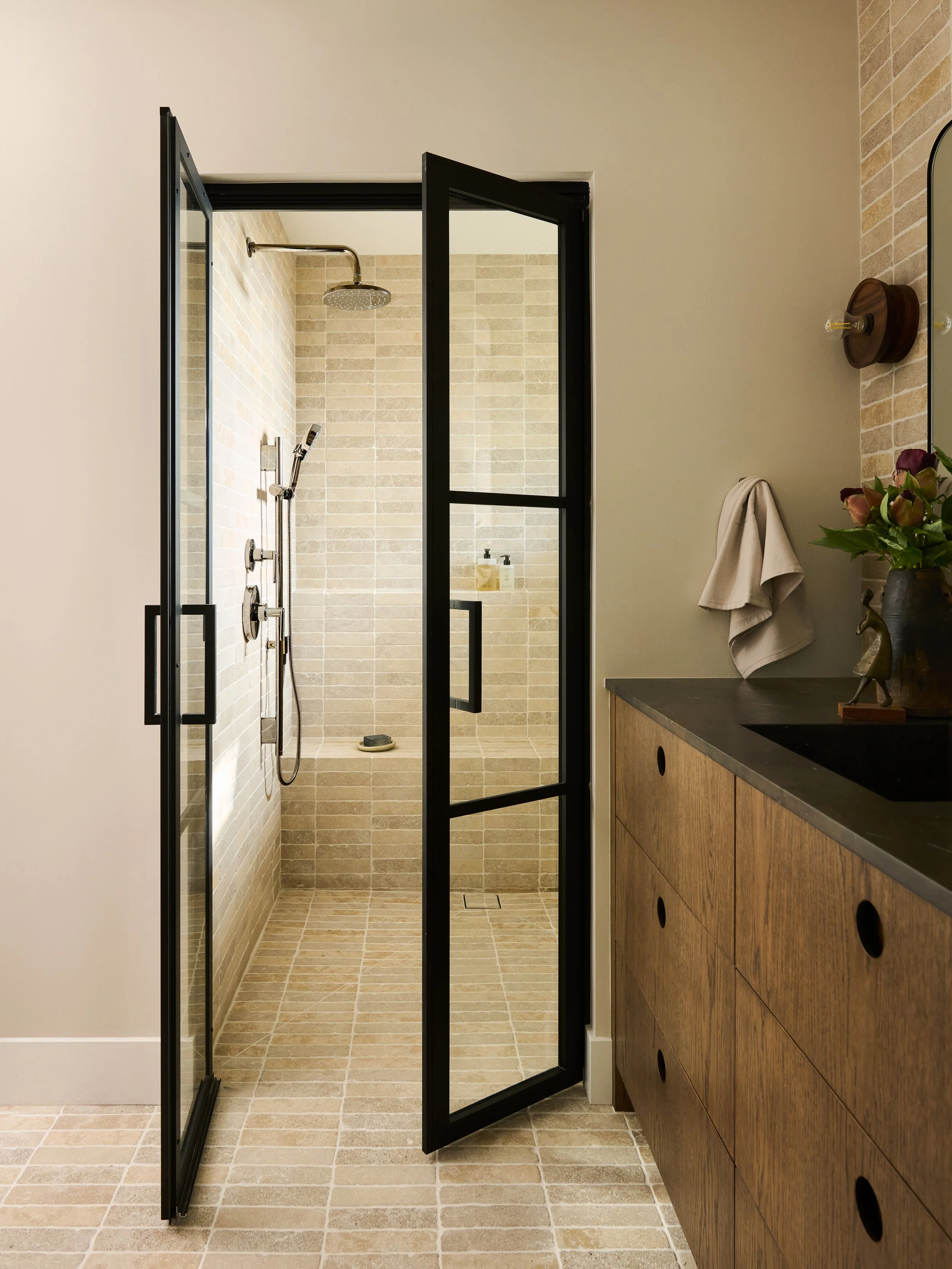
Luxury is often about continuity. Flooring that flows naturally between spaces, carefully aligned tile patterns, and consistent transitions between materials can make a home feel cohesive.
This becomes particularly important where different materials meet, such as wood flooring transitioning into stone or tile. Precise detailing keeps those transitions from looking like afterthoughts.
6. Minimal Grout Lines and Precise Tile Installation
Tile can completely change the character of a bathroom, kitchen, or entry, but the installation matters just as much as the tile itself.
Large-format slabs or carefully planned tile layouts can reduce visual clutter. Consistent joints, aligned edges, and properly detailed corners create the clean appearance associated with high-end construction.
7. Integrated Millwork and Storage
Custom cabinetry can make a home feel significantly more intentional because it is designed around the architecture rather than added afterward.
Built-in storage, concealed appliances, integrated shelving, and full-height cabinetry can reduce visual clutter while making everyday spaces more functional.
8. Invisible or Minimalist Doors
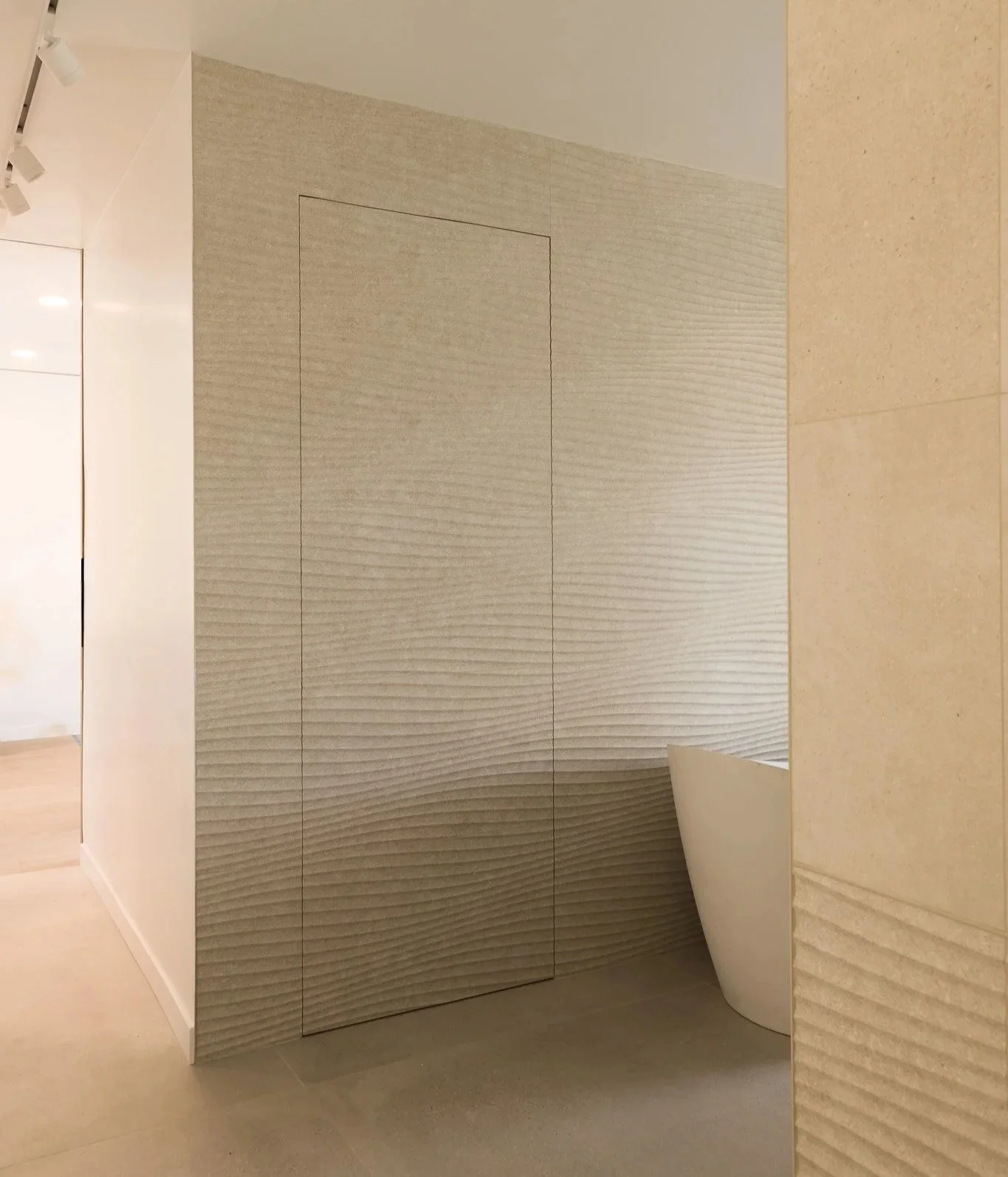
Flush doors and concealed-frame doors can almost disappear into the wall, creating a seamless architectural surface. They are especially effective in minimalist interiors where traditional door trim would interrupt the visual flow.
These systems require careful coordination between framing, drywall, hardware, and finish work, which is why they are best considered early in the design process.
9. Attention to Acoustics
A home can look beautiful and still feel uncomfortable if sound travels everywhere. High-end construction considers acoustics through insulation, wall assemblies, door construction, flooring, and mechanical system placement.
Thoughtful acoustic planning can reduce sound transfer between bedrooms, bathrooms, living areas, and mechanical spaces, creating a quieter and more comfortable home.
10. The Details Behind the Walls
Some of the most important high-end construction details are the ones you never see. Proper waterproofing, insulation, electrical planning, plumbing installation, HVAC design, and structural work all contribute to how a home performs over time.
A beautifully finished home is only truly high-end if the systems behind the finishes are built to the same standard.
What makes a home feel high-end is rarely one dramatic feature. It is the consistency of hundreds of smaller decisions, from the way a door meets a wall to the way materials transition between rooms.
When architecture, construction, materials, lighting, and detailing are considered together, the result feels intentional rather than simply expensive. That level of coordination is what gives a custom home its sense of quality and permanence.
Planning a custom home or high-end remodel in San Diego? Thoughtful construction detailing from the beginning can make a significant difference in both the finished appearance and the way your home feels every day.