
The Best Window and Door Systems for Coastal Modern Homes
Coastal modern homes aren’t just about clean lines, natural light, and indoor-outdoor flow. They’re homes that must perform under uniquely harsh conditions. Between salt-air corrosion, intense UV exposure, high winds, and the constant demand for seamless views, choosing the right window and door systems becomes both an aesthetic and functional decision. The wrong materials can warp or corrode quickly, and the wrong glazing can make interiors uncomfortably hot or vulnerable to storms. That’s why selecting high-performance systems designed specifically for coastal environments is essential.
Below, we break down the best options for durability, energy efficiency, and design impact in coastal modern architecture.
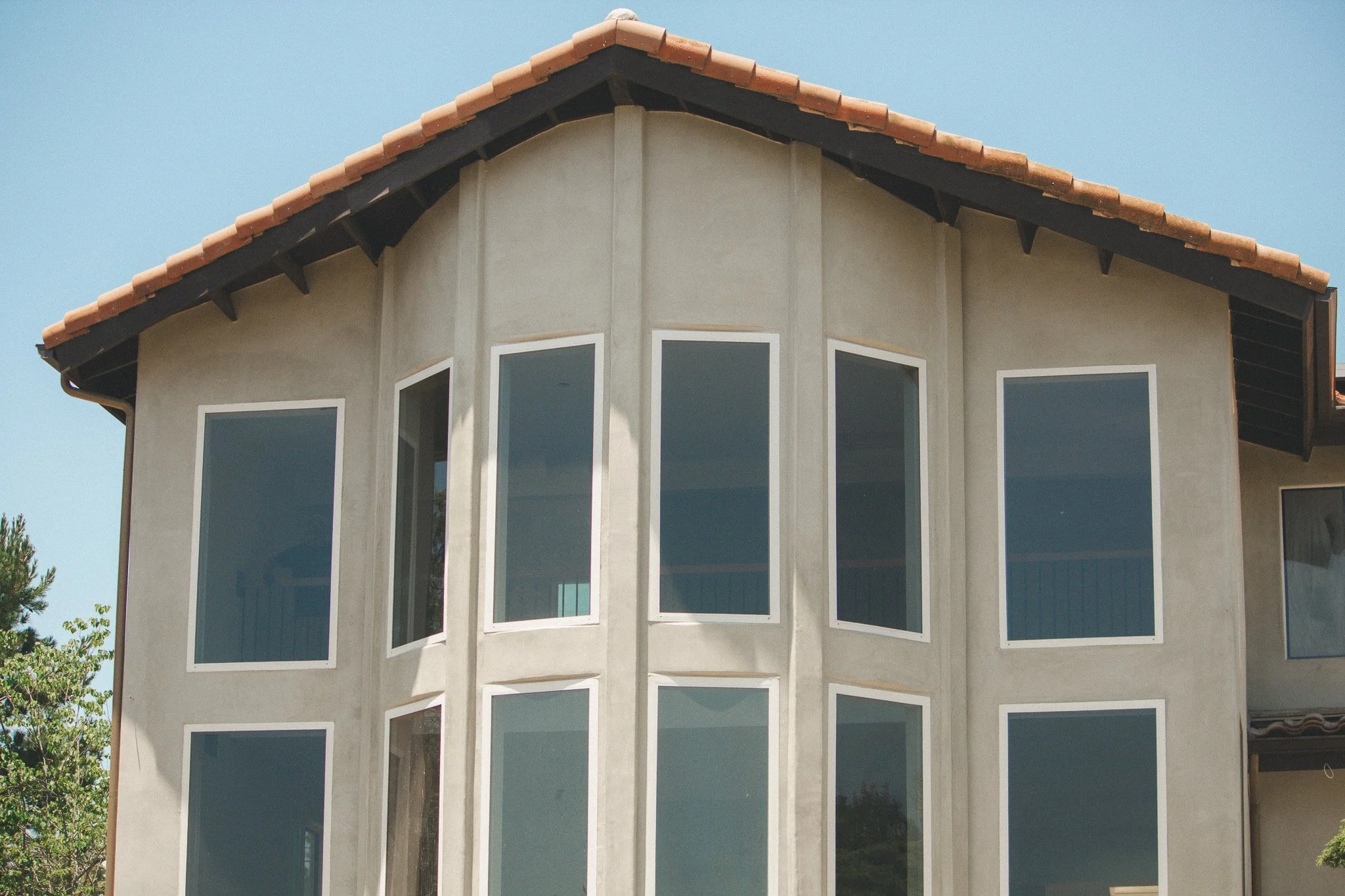
1. Aluminum Windows & Doors (Thermally Broken)
Aluminum is a top choice for coastal modern homes thanks to its slim profiles, crisp lines, and ability to support large glass expanses.
Why it works:
Excellent corrosion resistance when coated or anodized
Minimalist frames fit modern architecture
Supports oversized multi-panel doors and floor-to-ceiling windows
Thermally broken options significantly improve insulation
Best for: Multi-sliders, pivot doors, picture windows, clerestory windows.
2. Fiberglass Window Systems
Fiberglass is dimensionally stable, low-maintenance, and highly resistant to salt, moisture, and temperature changes.
Why it works:
Won’t warp, swell, or rot
Energy-efficient and compatible with coastal climate requirements
Can mimic wood textures while maintaining a modern feel
Best for: Homes wanting durability with a warmer aesthetic than aluminum.
3. Wood Windows with Aluminum Cladding
For clients who want the warmth of wood without the high maintenance, aluminum-clad wood is a strong compromise.
Why it works:
Wood interior provides natural warmth
Exterior cladding protects against salt air and moisture
Works well in higher-end modern coastal designs
Best for: Statement windows, architectural focal points, luxury remodels.
4. Multi-Slide and Bi-Fold Door Systems
Indoor-outdoor living is central to coastal modern design. High-performance multi-slide or bi-fold systems create wide openings that blend interiors with breezy patios or decks.
Features to look for:
Stainless steel or marine-grade hardware
Weep-system engineering for moisture management
High wind-load performance
Low-profile or flush sills to maintain modern lines
These systems are typically aluminum or fiberglass due to strength and corrosion resistance.
5. Impact-Rated & Energy-Efficient Glass
Coastal homes must balance expansive views with protection from heat, glare, and storms.
Recommended glass options:
Low-E coatings tuned for coastal climates
Impact-rated glass for windborne debris
Laminated glass for sound and UV reduction
Tinted or solar-control glazing for west-facing views
If you live in a coastal San Diego neighborhood like Solana Beach, Encinitas, or Del Mar, selecting high-performance windows and doors can make all the difference in durability, comfort, and long-term value.
Thinking about a remodel? Get in touch, we’re here to help you choose systems that match your home and your environment.
FAQ: Choosing Windows & Doors for Coastal Modern Homes
What are the best window materials for coastal homes?
For coastal modern homes, the best materials are thermally broken aluminum, fiberglass, and aluminum-clad wood. These materials resist corrosion, support large glass openings, and maintain their performance in salty, humid environments.
Do aluminum windows corrode near the ocean?
High-quality aluminum windows, especially powder-coated or anodized, offer excellent corrosion resistance. Thermally broken aluminum is especially popular in modern coastal architecture because it stays durable while providing slim, contemporary sightlines.
Is fiberglass better than aluminum for coastal climates?
Fiberglass performs extremely well near the ocean because it won’t warp, swell, or rot. It's more energy-efficient than standard aluminum and offers a warmer look, but aluminum remains the go-to for ultra-large openings and thin modern frames.
Are wood windows a bad choice for coastal homes?
Raw wood alone requires high maintenance, but aluminum-clad wood windows are a great option. The wood interior gives a warm, natural look while the exterior aluminum protects against salt, moisture, and UV exposure.
What type of glass is best for coastal windows and doors?
Coastal homes benefit from Low-E glass, impact-rated glazing, and laminated glass for UV protection, sound control, and added security. West-facing windows may also need tinted or solar-control glass to reduce heat and glare.
What window or door systems work best for indoor-outdoor living?
For seamless indoor-outdoor flow, multi-slide doors, bi-fold doors, and large fixed windows work best. Look for systems with marine-grade hardware, weep drainage systems, and high wind-load ratings, especially in exposed coastal areas.
Do I need impact-rated windows in San Diego?
While impact-rated windows are not always required by code in San Diego, they offer added durability, sound reduction, and protection from debris during wind events. Many coastal homeowners choose them for peace of mind and long-term performance.
How do I choose the right windows for my home in Encinitas, Solana Beach, or Del Mar?
Consider the salt-air exposure, wind conditions, sun orientation, and the level of indoor-outdoor living you want. In San Diego’s coastal neighborhoods, aluminum and fiberglass systems typically perform best, especially with Low-E or solar-control glazing.