
Custom Millwork: Where It Makes the Biggest Difference in a Home
Custom millwork is one of the most effective ways to make a home feel intentional and cohesive. Unlike standard, off-the-shelf cabinetry, it is designed around the dimensions, architecture, and specific needs of a space. From full-height kitchen cabinets to built-in shelving and concealed storage, millwork can improve both the appearance and functionality of a home.
The biggest impact often comes from using it where it solves a practical problem while contributing to the overall design. Here are some of the areas where custom millwork can make the most difference.
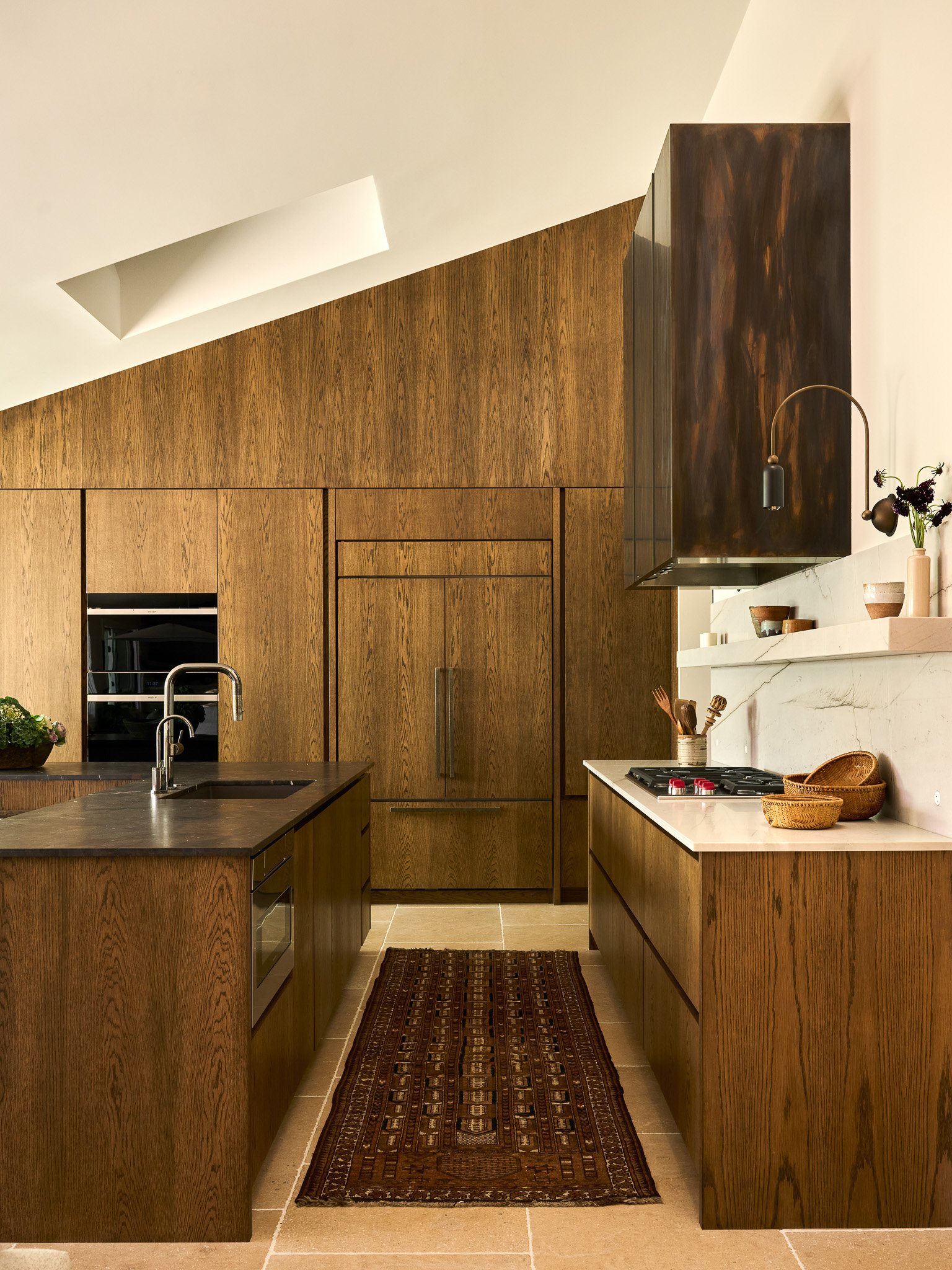
Kitchens: More Than Just Cabinets
The kitchen is one of the most valuable places to invest in custom millwork. Cabinets can be designed around specific appliances, cooking habits, storage needs, and the proportions of the room. Full-height cabinetry can maximize vertical space, while integrated panels allow refrigerators and dishwashers to blend into the design.
Details such as precisely aligned cabinet fronts, concealed hardware, and carefully planned drawers create a cleaner look while making everyday tasks easier. In open-plan homes, millwork can also help the kitchen feel connected to the surrounding living spaces.
Bedrooms: Storage Without Visual Clutter
Bedrooms benefit from millwork that makes the most of available space while keeping the atmosphere calm. Built-in wardrobes, integrated nightstands, and headboards with concealed storage can reduce the need for separate furniture.
Full-height wardrobes can make use of otherwise wasted vertical space, while finishes that match the walls help larger storage elements feel less imposing. The result is a more organized room with a consistent visual language.
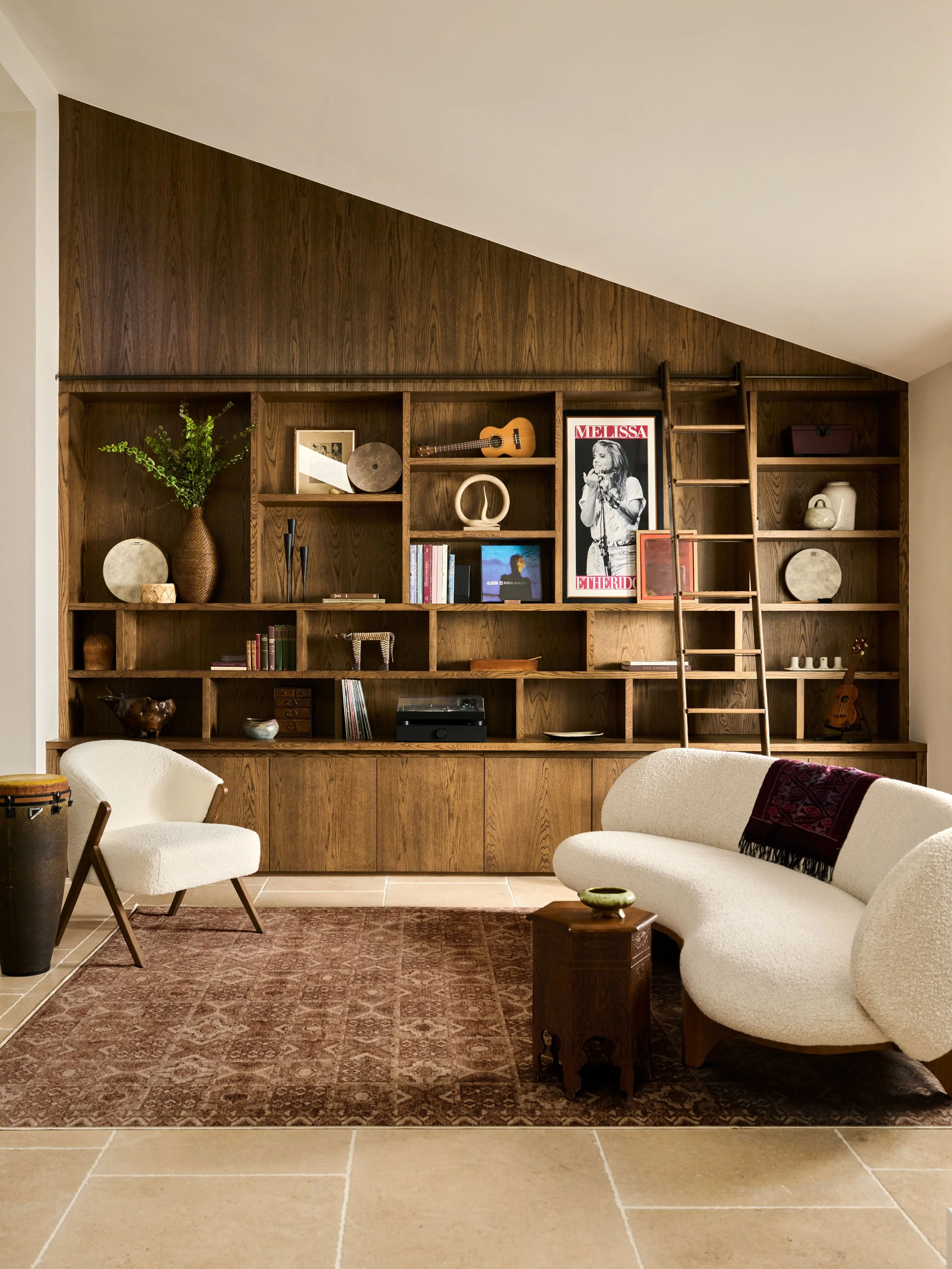
Living Rooms: Built-Ins That Feel Architectural
Custom millwork can turn an ordinary wall into a defining feature of a room. Built-in shelving, media units, display niches, and integrated cabinetry can provide storage without the visual clutter of freestanding furniture.
A well-designed unit can frame a fireplace, conceal electronics, or create a place to display books and objects. Because it is designed to fit the room precisely, it can feel like part of the architecture rather than something added later.
Home Offices and Flexible Spaces
A home office needs to accommodate technology, paperwork, books, and equipment without becoming visually overwhelming. Custom desks, shelving, and concealed cable management can make the space more functional and easier to keep organized.
Millwork is also useful in multipurpose rooms, where storage can help a guest room double as an office or allow a family space to adapt as needs change.
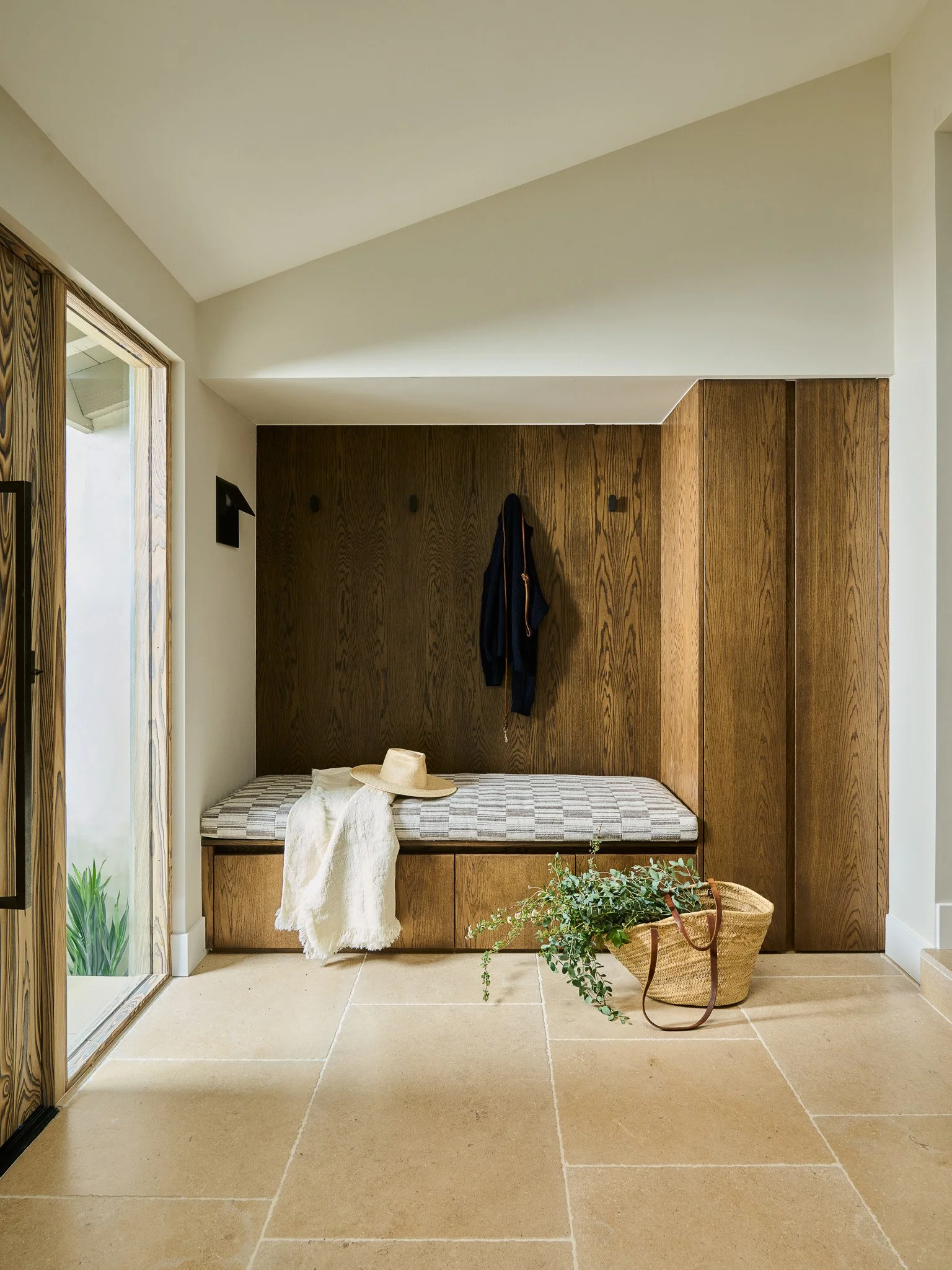
Entryways: Making First Impressions Count
Entryways often have limited space but need to accommodate coats, shoes, bags, and everyday essentials. Custom millwork can bring order to this transition area with concealed cabinets, integrated benches, and discreet storage compartments.
In a larger entry, a built-in console or a wall of carefully detailed cabinetry can establish the home's material palette and architectural style from the moment someone walks in.
Bathrooms: Precision in a Smaller Space
In bathrooms, every inch matters. Custom vanities can be tailored to the room's dimensions, plumbing locations, storage requirements, and sink configuration. Recessed shelving and integrated medicine cabinets can provide additional storage without taking up valuable floor area.
Material selection is particularly important here. Finishes and construction methods should be appropriate for humid conditions, and cabinetry should be coordinated with plumbing, countertops, and lighting early in the design process.
Why Planning Matters
Custom millwork involves more than choosing a cabinet style or finish. Dimensions, door clearances, hardware, lighting, electrical outlets, appliances, and adjacent materials all need to work together. Planning these details during the architectural design phase can help avoid awkward gaps, conflicts, and costly adjustments during construction.
Custom millwork makes the biggest difference when it is designed around how a home is actually used. Whether it creates a more efficient kitchen, conceals everyday clutter, or brings architectural character to a living room, the goal is to make the space feel considered from every angle.
Planning a custom home or remodel in San Diego? Integrating millwork into the design from the beginning helps create spaces that feel cohesive, function beautifully, and make the most of every inch.
Frequently Asked Questions About Custom Millwork
What is custom millwork in a home?
Custom millwork refers to woodwork and built-in elements designed specifically for a home, including kitchen cabinetry, built-in shelving, wardrobes, vanities, and other integrated storage. Unlike standard cabinetry, custom millwork is tailored to the dimensions, architectural details, and functional needs of a particular space.
Is custom millwork worth the investment for a home remodel?
Custom millwork can be a worthwhile investment when it improves storage, maximizes usable space, or creates a cohesive design throughout the home. It allows homeowners to make better use of unusual layouts and coordinate cabinetry, materials, and architectural details with the overall design.
When should custom millwork be planned during a remodel?
Custom millwork should ideally be planned during the architectural design and pre-construction phases. This allows cabinetry dimensions, appliances, electrical outlets, lighting, plumbing, and material selections to be coordinated before construction begins, helping minimize costly changes later.
Can custom millwork be incorporated into an existing home?
Yes. Custom millwork can be designed for individual rooms or integrated into a larger renovation. Built-in shelving, custom vanities, kitchen cabinetry, and storage solutions can be tailored to existing dimensions and architectural features, making them suitable for both partial updates and full-home remodels.