
Best Exterior Cladding Materials for Coastal San Diego Homes
Designing a home near the coast means choosing materials that can withstand more than just everyday wear. One of the most important decisions is the home's exterior cladding: the outer layer of material that covers and protects the structure while defining much of its architectural character. From smooth stucco and natural stone to fiber cement and wood accents, cladding influences not only how a home looks but also how it performs over time.
In coastal communities throughout North County San Diego, homes are exposed to salt air, moisture, intense UV rays, and changing weather conditions year-round. The right exterior cladding helps protect against these conditions while complementing the home's design and reducing long-term maintenance.
Whether you're building a custom home or planning an exterior renovation, here are some of the best cladding materials to consider for a coastal environment:
Natural Stone: Timeless and Exceptionally Durable
Natural stone remains one of the most durable and elegant choices for coastal homes. Materials like limestone, quartzite, and granite offer excellent longevity while adding texture and depth to the exterior.
Stone works particularly well as an accent material around entryways, fireplaces, or lower portions of the façade, where it creates a sense of permanence and complements modern coastal architecture. While the upfront investment is higher, its durability and timeless appearance often make it worthwhile over the long term.
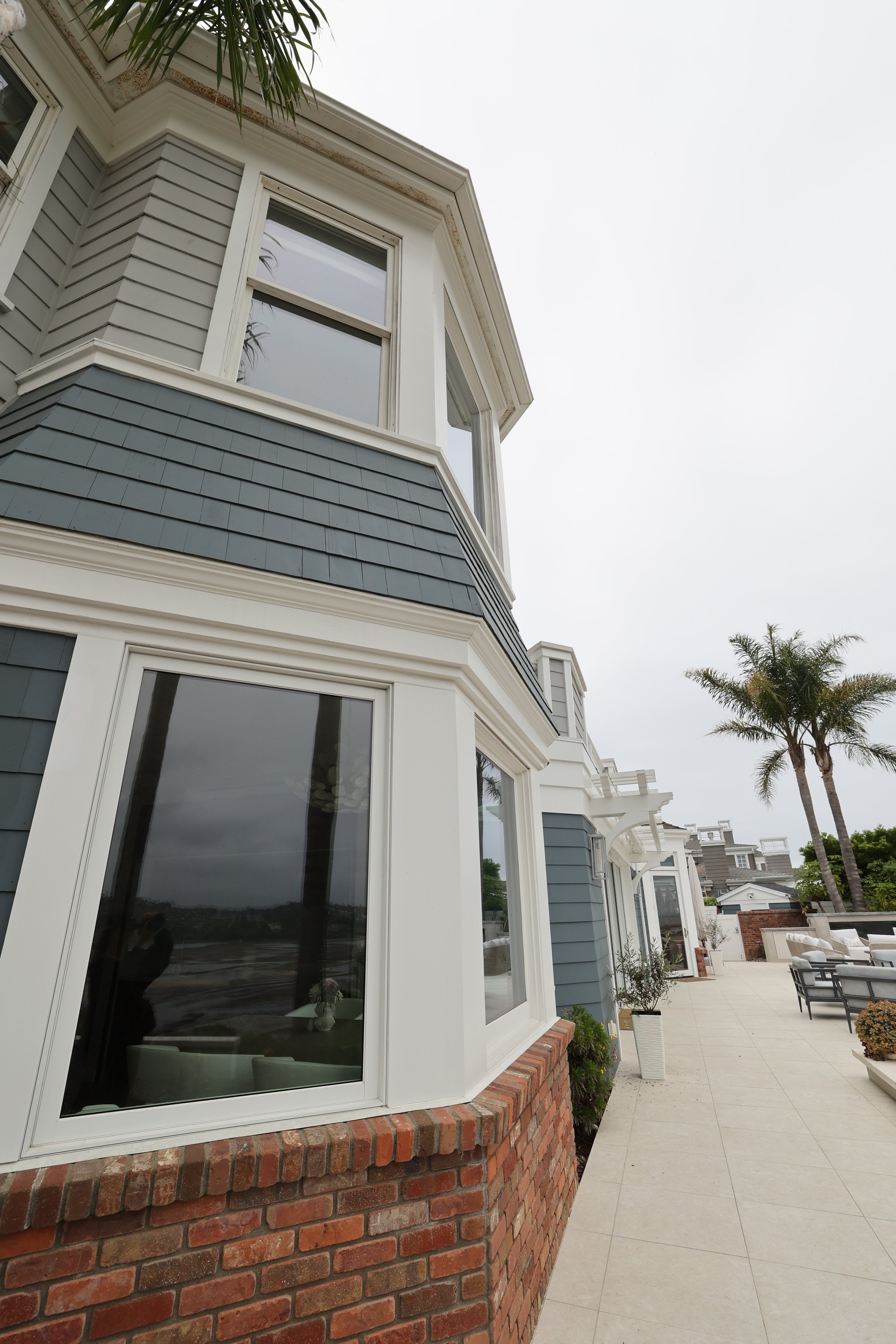
Wood Accents: Warmth with Thoughtful Placement
Wood brings warmth and character that few other materials can match. In coastal homes, however, it performs best when used strategically rather than across the entire exterior.
Many modern homes incorporate wood as an accent around entryways, soffits, or covered outdoor spaces, pairing it with more durable materials like fiber cement or stone. Choosing naturally durable species and committing to regular maintenance helps preserve its appearance over time.
Fiber Cement Siding: Low Maintenance and Versatile
Fiber cement has become one of the most popular exterior materials for coastal construction because it performs well in humid, salty environments without the maintenance requirements of natural wood.
Available in smooth panels, lap siding, and wood-look finishes, it offers flexibility for both contemporary and traditional homes. It also resists moisture, insects, and fire, making it a practical option for many residential projects.
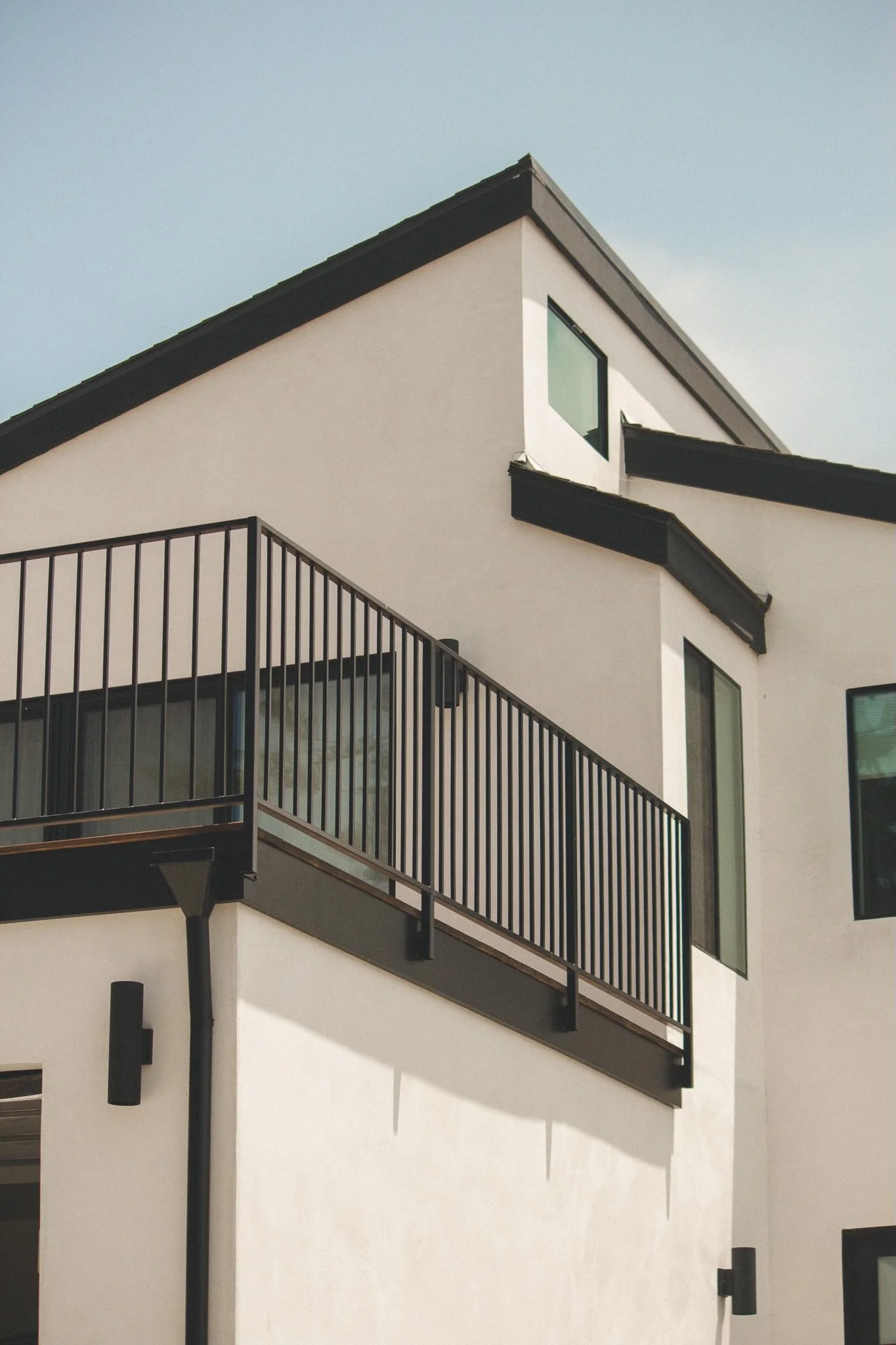
Stucco: A California Classic
Stucco has long been associated with Southern California architecture, and for good reason. It provides a clean, seamless appearance that works well with both Spanish-inspired and contemporary homes.
When properly detailed and installed, stucco performs well in coastal climates. Modern smooth finishes paired with natural materials like stone or wood create a sophisticated look that feels both timeless and regionally appropriate.
Metal Panels for Contemporary Design
For homeowners seeking a more modern aesthetic, metal cladding can introduce clean lines and architectural contrast. Aluminum is particularly well suited for coastal environments because it naturally resists corrosion.
Metal panels are often used selectively as feature elements rather than covering the entire home, creating visual interest while maintaining a balanced material palette.
Choosing the Right Combination
Many of the most successful coastal homes don't rely on a single exterior material. Instead, they combine complementary finishes to balance durability, maintenance, and architectural character.
For example, a home might pair smooth stucco with natural stone, incorporate wood accents at the entry, and use fiber cement siding on secondary volumes. Layering materials thoughtfully creates depth while allowing each one to perform where it's most effective.
The best exterior cladding for a coastal home isn't simply the most durable or the most beautiful. It's the material, or combination of materials, that complements the architecture, responds to the coastal environment, and fits your long-term maintenance goals.
When selected thoughtfully, exterior finishes can enhance both the performance and character of a home for years to come.
Planning a custom home or exterior renovation in North County San Diego? Choosing the right materials early in the design process helps create a home that is both visually timeless and built to thrive in a coastal setting. Reach out to our team:
FAQ
What is the best exterior cladding for a coastal home?
There isn't a single best material for every home. In coastal environments like North County San Diego, durable options such as fiber cement siding, natural stone, stucco, and aluminum panels all perform well when properly designed and installed. The right choice depends on your home's architectural style, maintenance preferences, and budget.
What exterior materials hold up best to salt air?
Salt air can accelerate corrosion and wear on certain materials. Natural stone, fiber cement siding, stucco, and aluminum are among the most durable choices for coastal homes because they resist moisture, UV exposure, and salty conditions better than many untreated materials.
Is stucco a good choice for homes near the beach?
Yes. Stucco has been used successfully throughout Southern California for decades. When properly detailed and installed with appropriate moisture management, it performs well in coastal climates while providing a clean, timeless appearance that complements a variety of architectural styles.
Is fiber cement siding better than wood for coastal homes?
Fiber cement generally requires less maintenance than natural wood and offers excellent resistance to moisture, insects, and fire. While wood provides warmth and character, it typically needs more regular sealing or refinishing, especially in coastal environments exposed to salt air and sun.
Can wood be used on coastal homes?
Absolutely. Wood is often used as an accent material rather than the primary exterior finish. Incorporating wood around entryways, soffits, or covered outdoor living spaces adds warmth while limiting long-term maintenance. Choosing naturally durable species and maintaining the finish helps extend its lifespan.
Can you combine different exterior cladding materials?
Yes. Many custom homes combine multiple exterior materials to achieve both durability and visual interest. Common combinations include smooth stucco with natural stone, fiber cement siding with wood accents, or metal panels paired with stucco. Mixing materials allows each finish to be used where it performs best.
What is the lowest-maintenance exterior cladding for a coastal home?
Fiber cement siding, natural stone, stucco, and aluminum are generally considered low-maintenance options for coastal construction. While every material requires periodic cleaning and inspection, these finishes typically need less ongoing upkeep than exposed natural wood.
How do I choose the right exterior materials for a custom home?
The best exterior material palette considers your home's architectural style, the local coastal climate, maintenance expectations, budget, and long-term durability. Working with an experienced architect and builder early in the design process helps ensure materials are both aesthetically cohesive and appropriate for the site.
Why is exterior cladding important for coastal homes in North County San Diego?
Coastal homes are exposed to salt air, moisture, intense sunlight, and changing weather throughout the year. Choosing durable exterior cladding helps protect the structure, reduce maintenance, improve longevity, and preserve the home's appearance over time.
Should I choose exterior materials during the design phase?
Yes. Selecting exterior materials early allows the design team to coordinate details, transitions, structural requirements, and budgets before construction begins. Early planning often results in a more cohesive design and helps avoid costly changes later in the project.